# Introduction: Why Understanding Football Defense Positions Matters
Football, at its core, is a game of strategy as much as physical ability. While most fans obsess over brilliant goals and flashy skills, the truth is clear: defense wins games and championships. Knowing football defense positions is vital for players, coaches, and even die-hard fans who want to truly understand the sport. Defensive roles shape tactics, unlock a team’s potential, and neutralize threats from the opposition. If you want your squad to be resilient, it all starts with mastering the various defensive positions.
# What Are Football Defense Positions?
Football defense positions refer to the roles and areas occupied by players whose primary responsibility is to stop the opposition from scoring. Commonly, these include Center Backs, Full Backs, Wing Backs, and Defensive Midfielders. Each role offers unique skills and responsibilities, forming the bedrock of a robust defensive system. Defensive organization is not just about physical play; it’s about anticipation, communication, and tactical discipline.
# Top 5 Football Defense Positions Explained
Let’s break down the five essential football defense positions and clarify their main duties.
1. Center Back (CB): The central defenders focus on blocking attacks, marking key opposition forwards, and clearing dangerous balls. They’re the last outfield line before the goalkeeper.
2. Full Back (LB/RB): Positioned left or right of the center backs, full backs defend against wing attacks and often support offensive moves down the flanks.
3. Wing Back (LWB/RWB): Similar to full backs but with greater offensive duties, wing backs operate in formations that seek extra width. Their job requires stamina and flexibility.
4. Sweeper (SW): Once common, the sweeper plays just behind the defensive line, covering gaps and cleaning up loose balls. Though less used today, it’s a position often revived in specialized tactics.
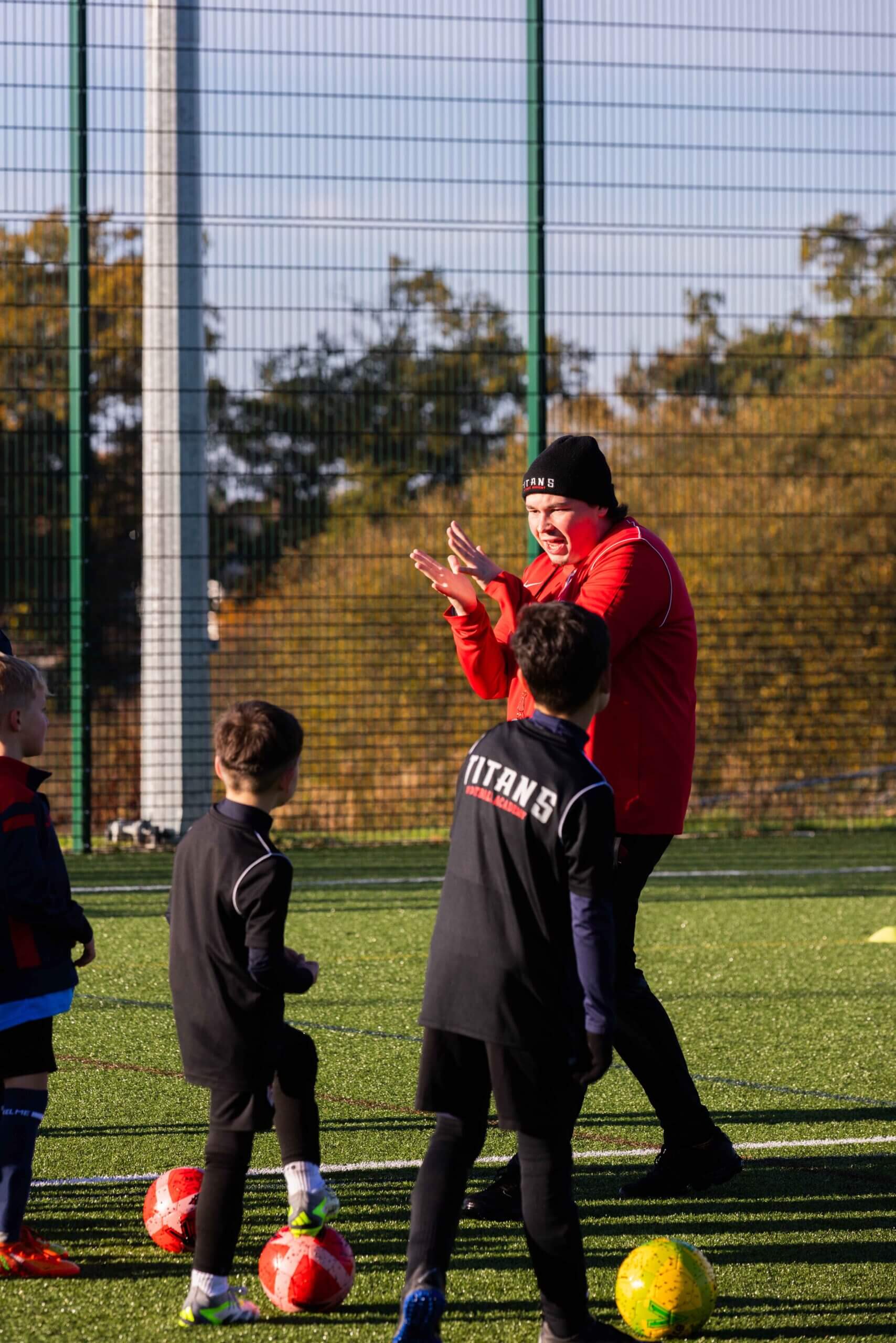
5. Defensive Midfielder (CDM): Sitting just in front of the defenders, their role is to disrupt attacks at source, shield the back line, and recycle possession.
| Position | Primary Duty | Key Skills |
|---|---|---|
| Center Back | Marking, blocking, tackling | Aerial ability, positioning, composure |
| Full Back | Wide defense, support wing play | Pace, crossing, tackling |
| Wing Back | Advanced wide defense & offense | Stamina, agility, delivery |
| Sweeper | Cover, intercept, organize | Reading play, recovery, leadership |
| Defensive Midfielder | Break up attacks, support defense | Passing, tackling, anticipation |
# How Do Football Defense Positions Affect Team Performance?
It may surprise you, but a clear defensive strategy can reduce opposition shooting accuracy by up to 23 percent, according to a 2022 Opta Analytics study (来源: Opta). Defensive positions impact how a team transitions from defense to attack, maintains shape under pressure, and responds to dynamic opposition movements.
For instance, using a double defensive midfielder block is proven to decrease average goals conceded per game, as evidenced in Premier League stats over the past five seasons (来源: premierleague.com/report-2023). Defensive shapes like the “back four” or “three at the back with wing backs” are chosen based on the strengths and weaknesses of the squad. Each defensive position interacts fluently to form a cohesive shield.
Based on my experience coaching youth elite teams, assigning players to well-suited defense roles instantly improved team stability and confidence. Position clarity led to fewer mistakes, better coverage, and smarter tactical flexibility. That’s why top managers never leave defensive roles to chance.
# Step-by-Step Guide: How to Assign and Train Football Defense Positions
If you’re a coach, player, or even managing a fantasy football team, here’s a practical guide to master defensive assignments:
1. ASSESS PLAYER SKILLS: Identify each player’s strengths. Quick runners fit full back or wing back roles; tall, strong players excel as center backs.
2. CHOOSE FORMATION: Pick your preferred system (4-4-2, 3-5-2, etc.), which dictates types and numbers of defensive positions.
3. CLEAR ROLE BRIEFING: Sit down with each player and explain roles: who covers, who steps, who sweeps loose balls.
4. DRILL Positioning: Use targeted drills focusing on spacing, communication, and recovery runs during practice.
5. REVIEW & ADAPT: Analyze match footage and stats, tweak positions based on performance and opponent style.
Consistency is key, but don’t be afraid to adapt as players develop or when facing different tactical threats.
# Common Mistakes in Assigning Football Defense Positions
ATTENTION: Many teams, especially at the amateur level, fall into typical traps:
1. Overloading the defense without considering ball distribution.
2. Ignoring defensive midfielders, leaving the back line exposed.
3. Choosing positions based solely on physical attributes, forgetting tactical intelligence.
4. Failing to train defensive communication and transitions.
5. Neglecting recovery speed and adaptability for full backs or wing backs.
Ignoring these pitfalls can leave your defense in chaos, unable to respond to skilled attackers or tactical switches.
# Football Defense Positions vs. Attack Positions: Key Differences
Defense and attack roles may use similar athletic skillsets, but their responsibilities differ vastly. Defensive players focus on anticipating opposition moves, blocking avenues to the goal, and organizing the team’s shape under pressure. Attacking roles are more creative, aiming to exploit defensive weaknesses.
| Aspect | Defense Positions | Attack Positions |
|---|---|---|
| Main Objective | Prevent goals | Score goals |
| Tactical Focus | Structure, discipline | Creativity, flair |
| Typical Movement | React, cover, organize | Initiate, penetrate, improvise |
# Football Defense Positions: Essential Checklist
Want to guarantee your team’s defensive system is maximized? Use this expert checklist:
1. Confirm player strengths match assigned positions.
2. Choose formation that suits your defensive style and squad depth.
3. Routinely brief and reinforce defensive role understanding.
4. Conduct regular position-specific drills to enhance awareness.
5. Analyze match footage to spot gaps and opportunities.
6. Adapt defensive assignments based on real-game performance changes.
7. Keep communication and organization a key head coach priority.
8. Monitor physical fitness, especially for demanding wing back roles.
9. Educate every defender on trigger cues for stepping out or holding line.
10. Never neglect the contribution of defensive midfielders to your back line.
# Conclusion: Bringing Expert-Level Defense to Your Football Team
Mastering football defense positions takes insight, patience, and continual adaptation. Whether you’re optimizing a pro academy or grassroots squad, defensive roles decide tactical excellence and minimize costly mistakes. Remember: great defense isn’t just about stopping shots, it’s about creating the backbone for success.
Apply the principles above, and you’ll see your team performance rise, your confidence boost, and your tactical IQ soar. Defense may not always get the glory, but as the stats show, it’s where championships are won.