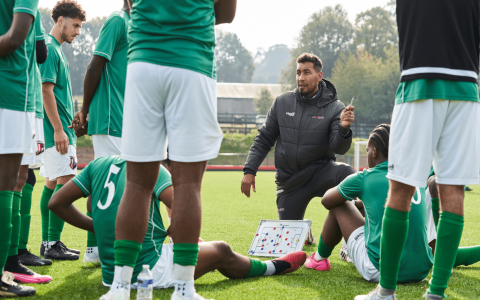
# Introduction
How do you become a professional soccer coach? This question pops up for ambitious enthusiasts, retired players, and passionate strategists worldwide. With soccer being the most popular sport on the planet (over 4 billion fans, 来源: FIFA), the demand for qualified coaches is surging. Yet, it’s much more than knowing the rules or basic tactics. Let’s dive into the actionable roadmap, real data, practical tips, and avoid the traps that can stop beginners cold.
# Understanding the Role of a Professional Soccer Coach
If you imagine a professional soccer coach just organizing training and shouting instructions, think bigger. Coaching at a professional level involves player development, tactical planning, analytics, mental conditioning, and sometimes recruitment. For instance, modern coaches use performance data to tailor training programs and adjust team strategies. According to a UEFA technical report, 92% of top-tier clubs now employ dedicated analyst teams (来源: UEFA 2023 Technical Report).
# Essential Qualifications and Certifications
Before stepping onto the pitch as a professional coach, you’ll need recognized credentials. Most football associations require you to complete accredited coaching licenses.
Here’s how different certifications compare:
| Certification | Provider | Typical Duration | Cost Range (USD) | Career Level |
|---|---|---|---|---|
| UEFA B License | UEFA Member Associations | 6-12 Months | 2000-5000 | Youth/Amateur |
| USSF A License | U.S. Soccer Federation | 12+ Months | 3000-7000 | Professional/Senior |
| FA Level 2 | English FA | 4-6 Months | 1500-3000 | Grassroots |
Acquiring these is crucial for building credibility and legal eligibility.
# Step-by-Step Guide: How Do You Become a Professional Soccer Coach
Here’s the actionable path, tuned for both newcomers and seasoned players.

1. GET INVOLVED LOCALLY
Volunteer, assist in local clubs or youth programs. This builds hands-on experience and valuable connections.
2. EARN YOUR COACHING LICENSE
Study hard and pass the entry-level certifications (like the UEFA C, then move up).
3. BUILD YOUR NETWORK
Attend coaching workshops, football seminars, and connect on platforms like LinkedIn or regional football associations.
4. LEARN MODERN TACTICS AND ANALYTICS
Subscribe to resources like Tifo Football, research player development (来源: Statista shows analytics jobs in football grew by 24% from 2020-2023).
5. GAIN EXPERIENCE WITH MULTIPLE AGE GROUPS
Work with youth, teens, and adults to understand development cycles and motivation techniques.
6. APPLY FOR ASSISTANT OR HEAD COACH POSITIONS
Use your network and skills. Start with amateur, then semi-pro teams.
7. STAY UPDATED
The game evolves fast. Attend seminars, read tactical studies, and experiment with new training tools.
8. DEVELOP LEADERSHIP SKILLS
Effective coaches are inspiring communicators. Study psychology, negotiation, and conflict resolution.
9. MAINTAIN A PROFESSIONAL PORTFOLIO
Document your achievements, training philosophies, and match analysis.
10. SEEK MENTORSHIP AND FEEDBACK
Don’t go it alone. Connect with seasoned coaches, join peer review forums, and accept constructive criticism.
# Common Pitfalls and Warnings
Here are the traps you must avoid:
ATTENTION: Many aspiring coaches skip formal education and jump directly into team management. This often leads to poor results and limited career growth. Never undervalue structured learning.
ATTENTION: Over-focusing on tactics while neglecting player psychology and well-being can weaken your team’s unity. Balanced development wins games and builds lasting success.
ATTENTION: Networking is not just about “who you know.” Without a strong coaching philosophy and results to back you up, connections alone won’t land the job.
# Real-World Insights and Personal Experience
According to my experience coaching at regional and collegiate levels, success is built step by step—patience is vital. We have seen candidates with strong technical knowledge but lacking interpersonal skills struggle to motivate their squads. Conversely, those who combine tactical expertise with empathy tend to shine and progress quickly.
# Case Example: From Amateur to Pro
Let’s look at how one coach, Sarah Martinez, transitioned from a local youth club to coaching in Spain’s Segunda Division. She started by working weekends, earning her UEFA B license, regularly attending conferences, and keeping detailed match journals. Within five years, her analytical approach and dedication paid off—clubs started noticing her results. This path is achievable if you stick to proven strategies.
# Soccer Coaching Tools: Digital vs Traditional
Here’s a comparison of two popular coaching resources.
| Tool | Main Function | Cost | Best For | Drawbacks |
|---|---|---|---|---|
| Soccer Coach Pro (App) | Digital session planning, player management | Monthly Subscription (15-30 USD) | Analytical coaches, remote teams | Requires tech skills, screen time |
| Classic Paper Playbook | Tactical diagrams, notes | Low (5-30 USD one-time) | Grassroots, non-digital environments | Time-consuming, limited analytics features |
Choose tools that fit your learning and coaching style for maximum effectiveness.
# Final Checklist: Becoming a Professional Soccer Coach
– Obtain accredited coaching licenses
– Volunteer at local clubs to build practical experience
– Develop modern tactical knowledge and use performance analytics
– Grow and nurture your professional network
– Stay updated on trends, attend seminars regularly
– Build leadership and motivational skills
– Assemble a results-oriented coaching portfolio
– Seek mentorship and open feedback
– Apply for a range of coaching opportunities
– Avoid shortcuts: stay committed to both personal and professional development
# Conclusion
The journey to becoming a professional soccer coach is demanding but achievable. If you follow this roadmap, earn the right qualifications, build lasting connections, and keep your skills updated, you’ll set yourself apart. How do you become a professional soccer coach? By combining preparation, opportunity, and relentless self-improvement. Start your journey today—your future team is waiting.