Being a goalkeeper in soccer is one of the most demanding and rewarding positions on the field. If you want to learn how to be a goalkeeper in soccer, it takes more than just standing in the net. You need reflexes, decision-making skills, and a strong mental game. This guide will walk you through everything you need to know to develop your abilities and excel between the posts.
# Understanding the Role: What Does a Goalkeeper Do?
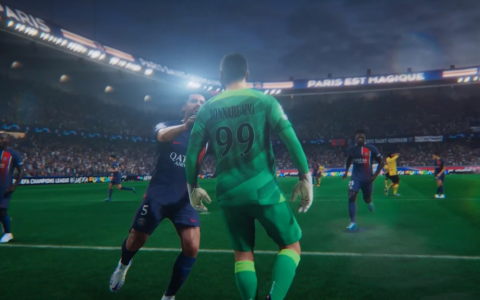
The goalkeeper is the last line of defense and the first line of attack. Your primary job is to prevent the ball from entering the goal. However, modern goalkeepers also direct their defense, initiate plays, and often act as a sweeper behind the defensive line. Knowing your responsibilities clearly is essential to mastering the role.
# KEY ELEMENTS AND SKILLS YOU MUST DEVELOP
**Positioning:** Always stay on your toes and maintain the best position relative to the ball and goal. Anticipate the opponent’s moves.
**Reflexes:** Quick reactions can save goals. Begin with simple drills and progress to more complex reaction training.
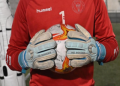
**Handling:** Secure catching and punching skills prevent rebounds and danger zones.
**Communication:** A goalkeeper must command the defense confidently. Use clear, loud communication constantly.
**Footwork:** Being agile on your feet lets you cover angles better and recover quickly.
# HOW TO BE A GOALKEEPER IN SOCCER – STEP-BY-STEP GUIDE
1. **Learn the Basic Stance:** Feet shoulder-width apart, knees bent, hands ready.
2. **Practice Catching the Ball:** Start with stationary catches, then progress to high, low, and side catches.
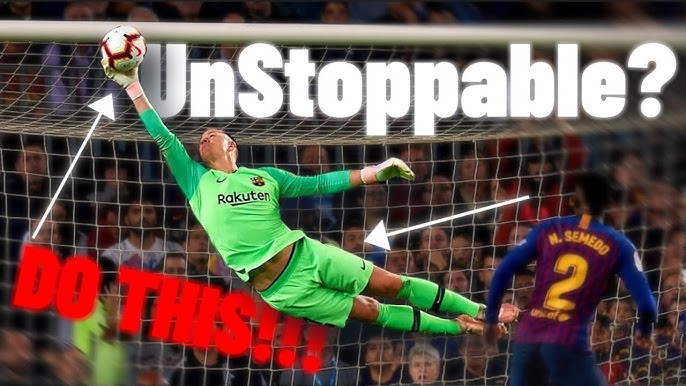
3. **Master Diving Techniques:** Learn how to dive safely and effectively to cover the corners of the goal.
4. **Develop Distribution Skills:** Throwing and kicking are vital to restart attacks quickly.
5. **Study Game Situations:** Watch professional games to understand positioning and decision-making in context.
# THE IMPORTANCE OF PHYSICAL TRAINING FOR GOALKEEPERS
Goalkeepers need explosive power, stamina, and flexibility. According to the Journal of Sports Science and Medicine, elite goalkeepers travel about 4-6 kilometers per game with numerous high-intensity movements (source: Journal of Sports Science and Medicine, 2021). Therefore, combining strength training with agility drills is key.
# COMMON MISTAKES TO AVOID AND WARNING
**WARNING: Overcommitting to a shot prematurely can leave the goal wide open. Avoid rushing out unless you are confident about the ball’s trajectory.**
Another frequent error is poor communication, which often results in confusion and defensive lapses. As a goalkeeper, always talk to your defenders and make your intentions clear.
# ANALYZING TWO GOALKEEPING TRAINING METHODS: TRADITIONAL VS MODERN
| Training Aspect | Traditional Approach | Modern Approach |
|---|---|---|
| Focus | Shot-stopping and basic drills | Holistic skills including footwork, game analysis, and distribution |
| Equipment | Standard balls and gloves | Use of video analysis, rebounders, and reaction trainers |
| Physical Training | General fitness and strength | Targeted agility drills and plyometric exercises |
| Mental Preparation | Limited focus on mindset | Stress management and visualization techniques |
# WHY FOOTWORK IS THE UNSUNG HERO OF GOALKEEPING
You might think shot-stopping is all about reflexes, but footwork determines whether you get into the right place in time. Coaches emphasize quick steps, shuffles, and recovering after diving saves. According to my experience working with elite clubs, players who invest time in agility ladder drills see a remarkable improvement in positioning.
# CHECKLIST: YOUR GOALKEEPER TRAINING ROUTINE
– MASTERED the basic goalkeeper stance and positioning
– PRACTICED secure catching and punching techniques consistently
– INCORPORATED diving drills to cover all goal areas
– DEVELOPED clear communication signals with teammates
– IMPROVED footwork through daily agility exercises
– INCLUDED targeted strength and stamina training sessions
– REVIEWED professional matches weekly to enhance tactical understanding
– AVOIDED common mistakes like premature dives and poor communication
Learning how to be a goalkeeper in soccer is a journey filled with challenges but also moments of incredible achievement. With dedication, smart training, and the right mindset, you can develop the skills necessary to become a vital asset to your team. Keep practicing, stay focused, and remember, the goal is yours to protect.