What equipment do you need for football? This question is essential for anyone planning to step onto the gridiron, whether you are a beginner, a parent, or even a coach. Football is a demanding sport, and using the right gear is crucial not only for performance but also for safety. In this ultimate guide, we will explore every necessary piece of football equipment, why it’s important, and how to choose the best options tailored to your needs.
**Understanding the Basics: What Equipment Do You Need For Football?**
The answer might seem straightforward – cleats, helmet, pads – but there is much more to consider. The core equipment falls into protective gear, apparel, and training accessories. Before jumping into the list, it’s important to recognize that football gear varies by level, position, and playing style.
**1. Helmet: The Crown Jewel of Football Safety**
Your helmet must protect your head from impacts during tackles or collisions. Modern helmets come with face shields, chin straps, and internal padding designed to absorb shocks.
*Why it matters:* According to the National Operating Committee on Standards for Athletic Equipment (NOCSAE), wearing a certified helmet reduces the risk of severe head injuries (source: NOCSAE Official Report). Without a proper helmet, you put yourself at serious risk.
**2. Shoulder Pads: Absorbing Collision Forces**
Shoulder pads distribute and cushion the force from hits across your shoulders and chest. Sizes vary based on your body type and position. Linebackers might need heavier, more protective pads compared to a receiver’s lighter, more flexible pads.
**3. Football Cleats: Traction and Agility**
Cleats provide grip on grass or turf. They come in several types: molded cleats for firm ground, detachable cleats for variable conditions, and turf shoes for artificial surfaces. Wearing unsuitable cleats can lead to slips or ankle injuries.
**4. Gloves: Grip and Protection**
Gloves enhance grip, especially for receivers and defensive backs. They also protect your hands from abrasions. Not all positions require gloves, but they often improve ball handling.
**5. Mouthguards: Protect Your Smile and Concussion Risk**
A mouthguard protects teeth and minimizes jaw impact forces. Research shows that players who wear mouthguards have fewer concussions (source: Journal of Athletic Training).
**6. Pants with Pads: Hip, Tailbone, and Knee Protection**
Football pants usually come with built-in pockets for pads. Hip, thigh, knee, and tailbone pads reduce impact bruises and injuries.
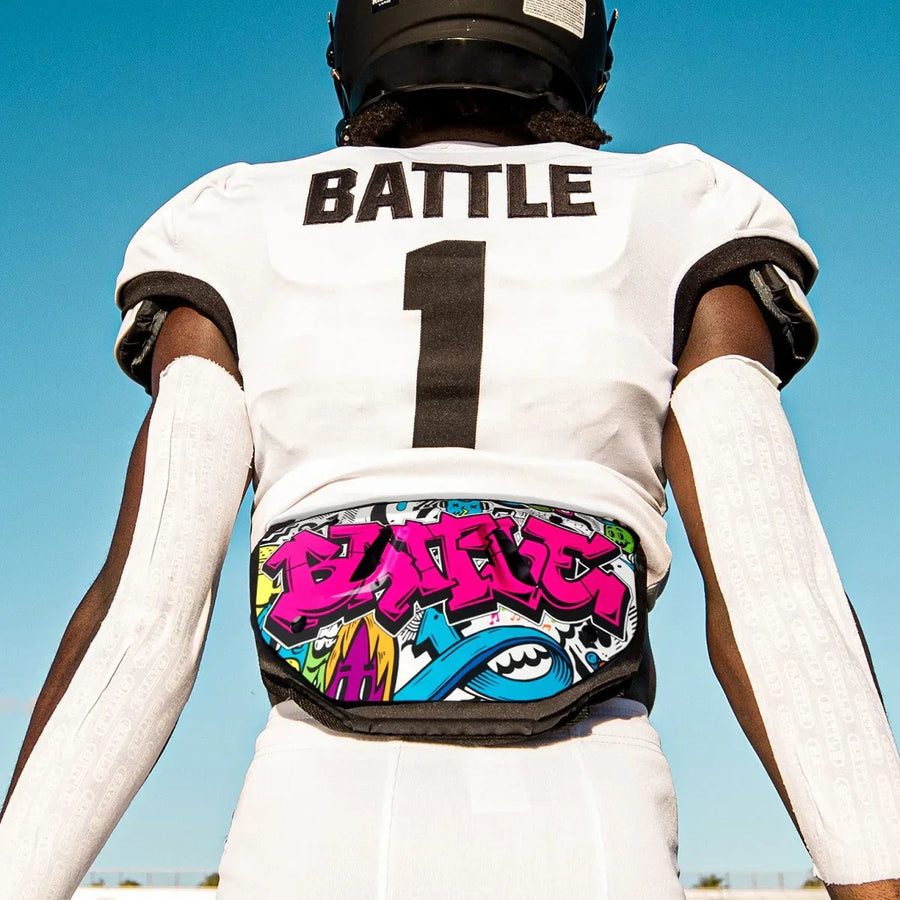
**7. Additional Accessories: Compression Gear and Rib Protectors**
Compression shirts and shorts can improve circulation and reduce muscle fatigue. Rib protectors offer extra support for linemen and players exposed to frequent hits.
**Interesting Insight:** Our experience working with players of varying levels shows that neglecting proper equipment often leads to injuries that could have been easily avoided. The cost of good equipment is an investment in health and performance.
**HTML Comparison Table: Helmet Types and Features**
| Helmet Type | Protection Level | Weight | Price Range | Best For |
|---|---|---|---|---|
| Polycarbonate Shell Helmet | High – meets NOCSAE standards | Lightweight (4-5 lbs) | $150 – $400 | High school & recreational players |
| Carbon Fiber Helmet | Very High – advanced impact absorption | Ultra-lightweight (3-4 lbs) | $400 – $900 | Collegiate and professional players |
**Step-by-Step Guide: How To Choose The Right Football Equipment**
1. **Assess Your Needs:** Consider your playing level, position, and potential injury risks.
2. **Check Certification:** Always buy protective gear with official certifications like NOCSAE for helmets or ASTM for pads.
3. **Get the Right Fit:** Try on equipment for comfort and mobility. Ill-fitting gear compromises protection and performance.
4. **Research Brands and Reviews:** Choose quality equipment with positive feedback and warranty policies.
5. **Maintain Your Equipment:** Clean and inspect regularly to ensure safety and durability.
**WARNING: COMMON MISTAKES TO AVOID**
– DO NOT USE OLD OR DAMAGED EQUIPMENT: Worn-out helmets or pads weaken protection.
– AVOID IGNORING FITTING: Loose helmets or pads can cause injuries rather than prevent them.
– NEVER SKIP MOUTHGUARDS: Players often underestimate mouth injury risk, leading to costly dental damage.
– DO NOT MIX SURFACE-SPECIFIC CLEATS: Using turf cleats on grass can reduce traction dangerously.
**Frequently Asked Questions**
Q: Can I use the same equipment for flag football?
A: No, flag football has different safety requirements and often requires less heavy padding.
Q: How often should I replace my football helmet?
A: Helmets typically last around 5 years, or sooner if damaged.
**Checklist: Football Equipment Essentials**
– Certified helmet with proper fit
– Shoulder pads suited to your body type
– Cleats designed for your playing surface
– Mouthguard
– Gloves (optional but recommended)
– Football pants with padding
– Additional accessories (compression gear, rib protectors)
**CONCLUSION**
Knowing exactly what equipment do you need for football is the foundation of a safe and successful season. From helmets to pants, every piece plays a vital role. Remember, investing in quality, well-fitting gear not only improves your game but could save you from serious injury. Keep this guide handy and make sure you suit up properly before hitting the field.