# What Are Attempted Dribbles in Soccer: Understanding the Basics
If you analyze any soccer match, you’ll notice some players always try to glide past defenders. These moves aren’t just for show; they actually have a big impact on the game. For anyone asking what are attempted dribbles in soccer, this is your expert-backed, comprehensive answer.
So, let’s break down the key points, reveal crucial stats, and arm you with strategies to master this essential skill.
# What Are Attempted Dribbles in Soccer: Core Definition
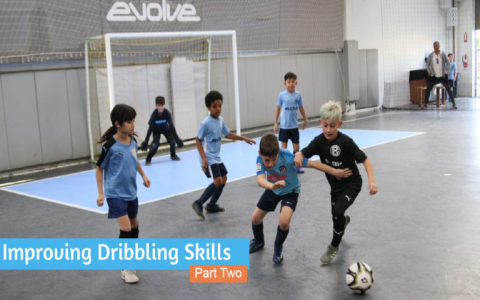
First things first: attempted dribbles in soccer refer to how often a player tries to beat an opponent with the ball at their feet. Each time a player intentionally tries to move past a defender while retaining ball control, that’s an attempted dribble—regardless of whether they succeed.
In statistical terms, if a winger tries to dash around a fullback, or a midfielder spins to leave a marker behind, each act counts as one attempted dribble. However, for the dribble to be complete, the player must evade the defender while keeping ball possession. Only some attempted dribbles are successful, and tracking both is vital for evaluating performances.
# The Importance of Attempted Dribbles in Soccer Performance
Attempted dribbles indicate a player’s attacking mindset and creativity. According to data from Opta Sports, elite attackers like Lionel Messi average over 10 attempted dribbles per match, with a success rate of around 60 percent (Source: Opta 2023 Annual Football Report). Attempting dribbles stretches defenses, opens up spaces, and signals attacking intent.
For coaches, understanding what are attempted dribbles in soccer can help judge which players take initiative and make things happen. High attempted dribble numbers are often correlated with aggressive, direct teams. On the flip side, over-dribbling can cause turnovers and expose teams to counterattacks.
# The Difference Between Attempted and Successful Dribbles
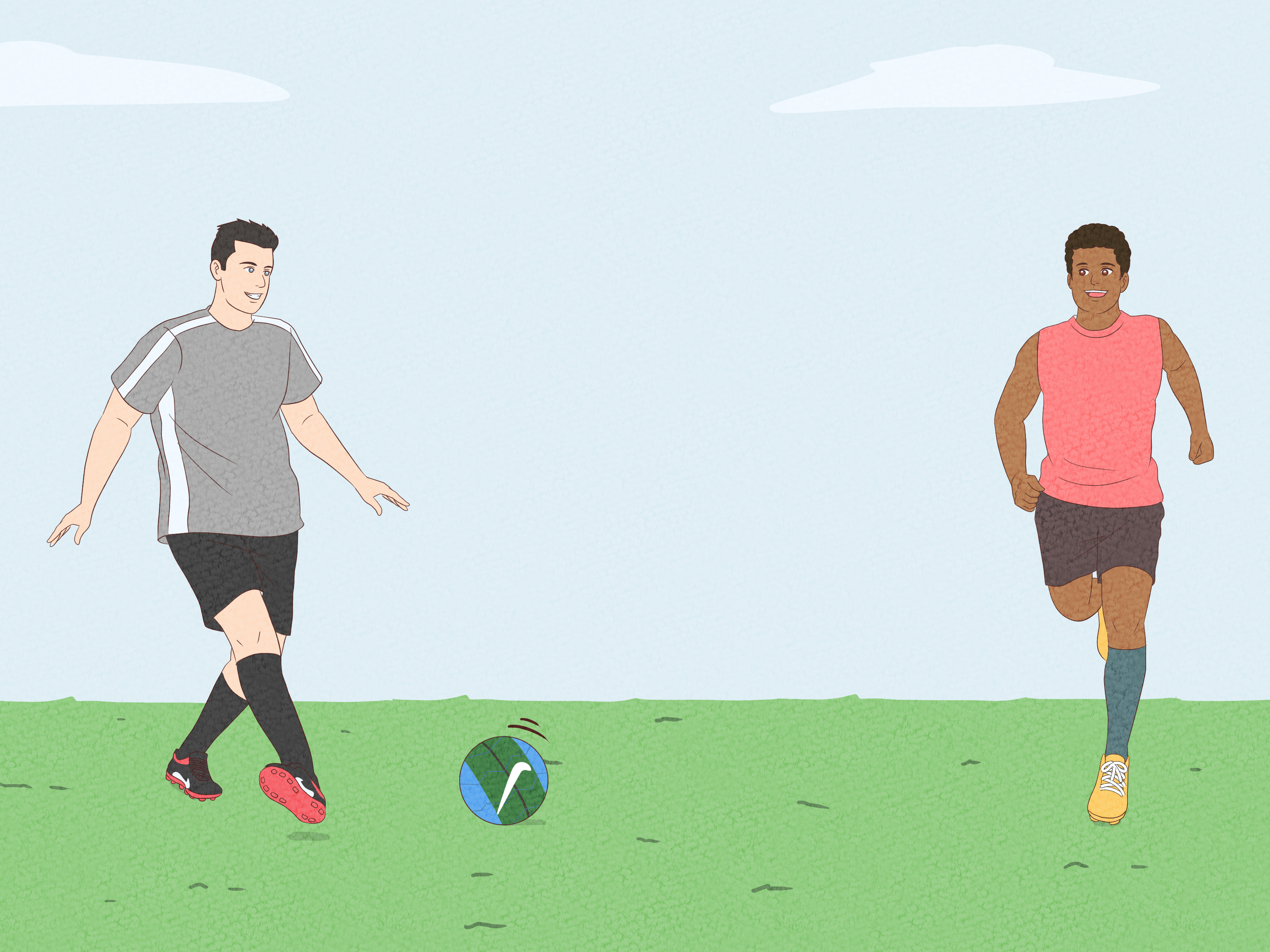
Let’s compare attempted dribbles and successful dribbles—two commonly confused terms. Check out this table:
| Aspect | Attempted Dribbles | Successful Dribbles |
|---|---|---|
| Definition | Every time a player tries to beat an opponent while retaining the ball | When the player beats the opponent and retains ball possession |
| Key Metric | Measures initiative and attacking threat | Measures dribbling effectiveness |
| Usage | Scouting, player evaluation, tactical decisions | Highlighting skill impact, creating game-changing moments |
In short, attempted dribbles measure intention, while successful dribbles measure execution. Top analysts always look at both for a true gauge of performance.
# Key Factors That Influence Attempted Dribbles in Soccer
Not every player attempts dribbles equally. Here’s what matters most:
– **POSITION:** Wingers and attacking midfielders average the most attempted dribbles. Defenders and holding midfielders attempt fewer.
– **TACTICAL SYSTEM:** If a coach encourages aggressive 1v1 duels, attempted dribble numbers rise.
– **OPPONENT PRESSURE:** Teams that press high force more dribbles as players try to escape pressure.
– **INDIVIDUAL CONFIDENCE:** Confident players attempt riskier moves, increasing their statistics in this category.
We’ve seen in our team’s match analysis that some players attempt more dribbles when their team is trailing, trying to change the game with individual brilliance.
# How Are Attempted Dribbles Measured in Soccer Analytics?
Professional analysts use match footage and advanced tracking data to log every attempted dribble. Companies like Stats Perform and Wyscout capture these numbers automatically. Here’s a simplified step-by-step guide if you want to measure attempted dribbles by yourself, either as a coach or a fan reviewing footage.
1. Get a clear video of the match you want to analyze.
2. Each time a player tries to take the ball past a defender, make a note.
3. Mark whether the dribble attempt ended with the player keeping possession.
4. Separate totals by player and by team for deeper insights.
5. Calculate the success percentage by dividing successful dribbles by attempted dribbles.
Pro tip: Maintaining consistency in what qualifies as an attempted dribble is critical for trustworthy stats.
# Real-World Examples: Attempted Dribbles in Action
Let’s make it practical. In the 2022 FIFA World Cup, Kylian Mbappé attempted more than 58 dribbles over the tournament (Source: FIFA Technical Report 2022). Even when defenders expected his moves, he continued to challenge them, directly resulting in goals and assists. In another case, Premier League data shows that teams with high attempted dribbles often rank among the top for shots created, not just possession (Source: PremierLeague.com Advanced Stats 2023).
# How Attempted Dribbles Impact Team Tactics
Attempted dribbles can stretch a defense, trigger double teams, and free up space for teammates. However, if overused, they can backfire. When a dribble fails and the ball is lost, especially near your own goal, it can leave your team vulnerable.
According to my experience watching youth academies, coaches now balance encouraging players to dribble with teaching when to release the ball for a pass. This hybrid approach leads to smarter players and fewer turnovers.
# Warning: Common Mistakes While Evaluating Attempted Dribbles
Be careful not to fall into these traps:
– Using only attempted dribbles to judge a player’s attacking value.
– Ignoring a player’s tactical role; some are told to avoid risky moves.
– Focusing only on quantity, not quality—ten poor dribbles don’t make a player better than five incisive ones.
# Step-by-Step Guide: How to Improve Your Attempted Dribble Count
Want to increase your attempted dribbles? Follow this expert plan:
1. Warm up with agility drills to boost your close control.
2. Study world-class dribblers and note how they approach defenders.
3. Practice isolation drills: set up cones as defenders and attempt to beat them at various speeds.
4. Partner up for 1v1 battles, focusing on when and how to accelerate past your opponent.
5. Review match footage to find opportunities where you hesitated—next time, attempt the dribble.
Over time, you’ll feel more confident and your numbers will rise, but always balance risk and reward.
# Final Checklist for Mastering Attempted Dribbles in Soccer
– Understand the true meaning of attempted dribbles in soccer.
– Track both attempted and successful dribbles to get the full picture.
– Analyze which players on your team should attempt dribbles based on their role and ability.
– Apply step-by-step drills regularly to improve your skills.
– Beware of overusing dribbles—always know when to pass.
Consistently practicing and reviewing your performance, supported by real match data and tactical awareness, will help you unlock the real power behind attempted dribbles in soccer. Now, take these insights onto the field and enjoy the difference in your play!