# Introduction
Football youth teams face a unique challenge – every player wants to shine, but the foundation for greatness is built through smart conditioning. So, what really works for young athletes? If you’re searching for conditioning drills for football youth, you’ll want solutions proven to boost speed, endurance, and teamwork. This guide dives deep into the topic, sharing expert drills, battle-tested strategies, and actionable steps.
# Understanding Youth Football Conditioning
Football at the youth level is more than just learning positions or plays. The core goal is helping kids develop the athleticism required to compete safely and effectively. Conditioning drills for football youth target agility, cardiovascular endurance, coordination, and explosive power. According to the American Academy of Pediatrics, more than 2.6 million children are treated for sports-related injuries yearly (Source: HealthyChildren.org). Quality conditioning not only boosts performance but also protects against avoidable injuries.
# Why Conditioning is Crucial for Young Football Players
Here’s the issue: Many youth teams jump straight to competitive drills without laying the foundation. Skipping conditioning can lead to:
– Early fatigue during games
– Increased risk of muscle strain or sprains
– Lower skill retention
From my experience coaching youth teams, I’ve seen best results when conditioning is woven into every session. Kids not only play harder, they recover faster and develop greater confidence.
# Top Conditioning Drills for Football Youth
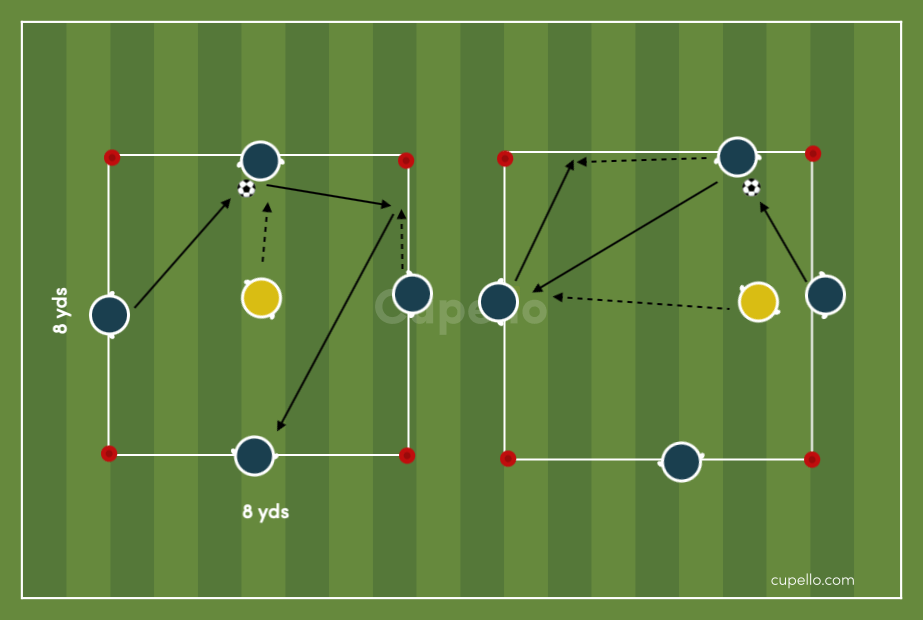
Let’s walk through the key drills, why they matter, and how to run them.
## 1. Shuttle Runs (Speed & Agility)
Quick sprints from cone to cone build explosive acceleration and improve change-of-direction speed, vital for football.
## 2. Ladder Drills (Footwork & Coordination)
Using an agility ladder, players practice various step patterns. This enhances precise footwork, making dodging tackles second nature.
## 3. Cone Drills (Spatial Awareness)
Set up cones in zig-zag patterns. Players must weave through, focusing on fast feet and tight turns.
## 4. Bodyweight Circuits (General Conditioning)
Squats, lunges, planks, and push-ups done in quick succession target core strength and muscle endurance.
## 5. Partner Resistance Sprints (Strength & Teamwork)
Players sprint with gentle resistance from a partner holding a band. This builds lower-body power and teamwork.
## 6. Box Jumps (Explosive Power)
Jumping onto a low platform boosts plyometrics, helping players launch off the ground quickly.
## 7. Relay Races (Team Coordination)
Teams compete in short speed relays, encouraging both stamina and team spirit. According to a 2022 study by the NSCA, youth teams that combine interval running and coordination drills show a 15% improvement in aerobic endurance over a single season (Source: NSCA.org).
# HTML Comparative Table: Drill Purpose & Benefits
| Drill | Primary Focus | Key Benefit |
|---|---|---|
| Shuttle Runs | Speed & Agility | Quick acceleration, change directions |
| Ladder Drills | Footwork & Coordination | Better motor control |
| Bodyweight Circuits | Full Body Endurance | Reduced injury risk |
| Box Jumps | Explosive Power | Enhanced jump ability |
# Step-by-Step Guide: Implementing Conditioning Drills for Football Youth
Ready to put these into practice? Here’s a structured plan to maximize results:
1. ASSESS YOUR TEAM: Before starting, check each player’s fitness and experience level.
2. SET UP EQUIPMENT: Place cones, ladders, and boxes in the training area for smooth transitions.
3. WARM UP PROPERLY: Begin every session with dynamic movements such as jogs and arm swings.
4. ROTATE DRILLS: Run each drill for 5-8 minutes, ensuring every athlete participates fully.
5. COOL DOWN: End with gentle stretching and hydration to aid recovery.
# Common Mistakes in Youth Football Conditioning
Some well-intentioned coaches fall into these traps:
– OVERLOADING PLAYERS: Excessive conditioning, especially without rest, leads to burnout and higher injury rates.
– NEGLECTING VARIETY: Repeating the same drills reduces development and engagement.
– FORGETTING FORM: Poor technique minimizes benefits and increases risk.
# WARNING: Avoiding Injury and Overtraining
Youth athletes are still growing. Pushing too hard can be risky. Always monitor for signs of pain, excessive fatigue, or emotional stress. Remember, building stamina is a marathon, not a sprint. Rest days and varied activities ensure players stay healthy and motivated.
# Sample Workout Plan: Weekly Conditioning Schedule
Monday: Speed drills (shuttle runs, ladder)
Wednesday: Strength circuit (squats, lunges, planks)
Friday: Power and teamwork (box jumps, relay races)
According to our team’s experience, mixing up the schedule keeps kids excited and covers all aspects of conditioning. We track progress every month, adjusting intensity as players improve.
# Actionable Checklist for Coaches and Parents
– CHOOSE AGE-APPROPRIATE DRILLS
– ENSURE PROPER HYDRATION BEFORE, DURING, AND AFTER EXERCISE
– START EVERY SESSION WITH A WARM-UP ROUTINE
– MONITOR PLAYER FORM AND PROVIDE FEEDBACK
– ALLOW REST DAYS FOR FULL RECOVERY
– KEEP SESSIONS FUN AND VARIED
– TRACK INDIVIDUAL PROGRESS TO INFORM FUTURE PLANS
# Conclusion
Smart conditioning drills for football youth set the stage for safer, stronger, and more confident players. By championing varied, data-backed routines, you empower your squad to reach their best potential. Get started today – and watch your team’s game transform.