# Introduction
Have you ever wondered what it truly takes to master how to play goalie in soccer? Many aspiring keepers focus only on blocking shots, but great goalkeeping goes far beyond that. The goalkeeper is both the last line of defense and the first point of attack. If you’re serious about taking your soccer game to the next level, understanding the essential techniques, mindset, and training methods is critical. In this comprehensive guide, we’ll unpack everything you need to know based on data, expert experience, and hands-on drills.
# Understanding the Role of the Soccer Goalie
First, let’s clear up a common misconception. The goalie (also known as the goalkeeper) isn’t just a “shot-stopper.” Instead, their responsibilities include organizing the defense, distributing the ball, communicating, and reading the game. In fact, according to FIFA’s latest technical report, top-level goalkeepers averaged over 35 ball distributions per match—almost as many as some midfielders (Source: FIFA Technical Report 2022).
Goalkeepers often cover more ground laterally during a game than most fans realize. A study found that elite goalies move laterally up to 1500 meters total during a 90-minute match, highlighting the demanding physical requirements (Source: Science and Medicine in Football Journal, 2021).
# Core Skills Every Soccer Goalie Needs
So, how do you actually master how to play goalie in soccer? It’s not just reactions—you need a toolbox of physical and mental skills. Here are key abilities every goalie should focus on:
1. Positioning: Knowing where to stand based on ball position.
2. Shot-Stopping: Reacting to saves high, low, near, and far.
3. Distribution: Using both hands and feet to restart play quickly.
4. Communication: Organizing defenders and calling out threats.
5. Anticipation: Reading opponents’ movements and predicting plays.
Let’s compare two essential skills using a simple table:
| Skill | Description | Impact on Game |
|---|---|---|
| Positioning | Choosing the best spot in relation to the ball, teammates, and goal. | Reduces shooting angles for strikers, minimises goals conceded. |
| Distribution | Delivering the ball quickly and accurately to teammates via throws or kicks. | Launches counter-attacks, maintains possession, increases team pace. |
# Step-By-Step Guide: How to Play Goalie in Soccer
Below is an actionable step-by-step system designed for both beginners and those looking to sharpen their skills.
1. LEARN PROPER GOALKEEPING STANCE: Stand with feet shoulder-width apart, knees slightly bent. Keep your weight on the balls of your feet and hands relaxed in front.
2. MASTER POSITIONING: Stay centered, adjust your position according to where the ball is on the field, and monitor both the ball and threats around you.
3. DEVELOP HANDLING TECHNIQUE: Cradle the ball with your hands in a W-shape for high shots and use the basket catch for low balls.
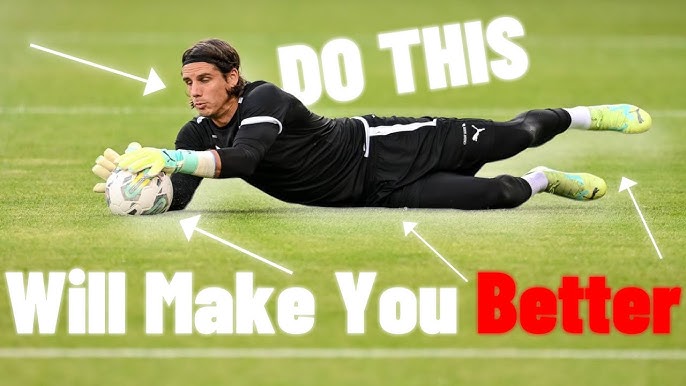
4. PERFECT DIVING AND REACTION: Practice short side-to-side dives, focusing on quick get-ups and recovery, not just the initial save.
5. IMPROVE DISTRIBUTION SKILLS: Work on both throwing and kicking the ball under pressure to restart play accurately.
6. PRACTICE DECISION-MAKING: In training, put yourself in scenarios where you have to decide whether to come off your line or stay back.
7. WORK ON COMMUNICATION: Call out defensive instructions loudly and confidently, setting your defense and alerting teammates to unmarked attackers.
# Critical Training Drills and Exercises
Now, let’s focus on making training both fun and effective. To master how to play goalie in soccer, blend these drills into your weekly routine:
– Reaction Shot Stopping: Use rebounder nets or close-range shots to sharpen reflexes.
– 1v1 Breakaways: Simulate situations where you must close down attackers.
– Cross Collection: Practice dealing with high balls and corners under pressure.
– Footwork Ladder: Improve lateral movement and speed.
– Distribution Drills: Roll, throw, and punt the ball quickly to targets over increased distances.
According to my experience training youth and amateur goalkeepers, consistency with these drills leads to significant progress in just a few weeks.
# Warning: Common Mistakes When Learning to Play Goalie
Don’t fall into these traps:
1. OVERCOMMITTING: Sometimes goalies rush off their line too soon, leaving the goal exposed.
2. WATCHING THE BALL ONLY: It’s crucial to scan for incoming runs and back-post threats.
3. POOR FOOTWORK: Great hands mean little if your feet can’t get you to the right spot.
4. LACK OF COMMUNICATION: Silence causes confusion and defensive errors.
5. NEGLECTING FITNESS: Goalkeeping isn’t just about reactions; strength and agility are vital.
# How to Build Mental Toughness as a Soccer Goalie
Developing resilience is just as important as physical skills. Here’s how the best do it:
– Focus on the next play, not past mistakes.
– Visualize making saves before games and practice sessions.
– Work with a coach or mentor who gives constructive, direct feedback.
– Set small, achievable goals for every training session to build confidence.
– Remember: Every top goalkeeper has let in goals. What matters is your response.
# Real Game Case Study
Consider Alisson Becker’s last-minute save in the 2021 Premier League—he anticipated both the cross and the shot, communicated with defenders, and launched a quick counter. His all-round awareness and composure demonstrate what mastering how to play goalie in soccer looks like in real time.
# Soccer Gloves and Gear: What Actually Matters?
Not all gloves and gear are equal. You want gloves with the right grip for weather conditions and enough padding for protection, but not so bulky that they limit your touch. Shoes should provide traction but allow quick pivots. Remember, the best gear boosts your confidence but won’t magically fix weaknesses in technique.
# Final Checklist: Your Ultimate Goalie Prep List
– Adopt the correct athletic stance before every shot.
– Keep your weight forward and hands ready.
– Communicate clearly and often—don’t stay silent.
– Move laterally with quick, light footwork.
– Practice handling both high and low balls every week.
– Master short and long distribution skills under pressure.
– Scan the field constantly for threats, not just the ball.
– Do mental visualizations before games.
– Train with a variety of drills for hands, feet, and mind.
– Choose quality gear, but focus most on skills and consistency.
# Conclusion
Learning how to play goalie in soccer is challenging yet incredibly rewarding. By following this guide, focusing on both the technical and mental aspects, and consistently practicing, anyone can unlock their goalkeeper potential. Whether your goal is to make your school team or compete at a higher level, the secrets shared here offer a real path forward. Now, go out there and make your goal a fortress!