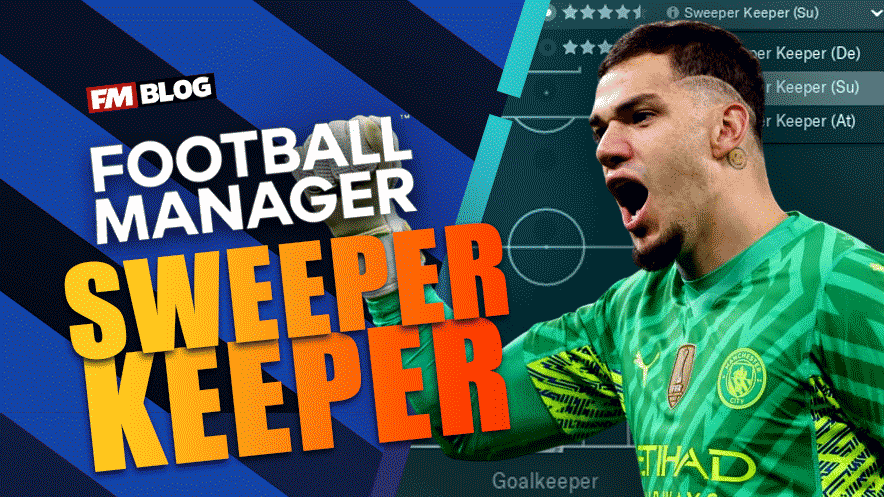
The sweeper-keeper is one of the most fascinating evolutions in modern football. Unlike traditional goalkeepers who mostly guard the goal line, a sweeper-keeper acts as an additional defender, proactively clearing threats outside the box and supporting the team’s buildup play. But WHAT EXACTLY IS A SWEEPER-KEEPER, and how can players and coaches master this demanding position?
In this article, we will explore everything you need to know about the sweeper-keeper role, from its core skills to practical training steps. Whether you are a player wanting to improve, a coach developing tactics, or a fan curious about this modern style, this deep dive will offer valuable insights.
# Understanding the Sweeper-Keeper Role
The term sweeper-keeper refers to goalkeepers who go beyond traditional shot-stopping duties. They act as a “sweeper” behind the defensive line, clearing balls that break through and often participating in the team’s passing game. This tactical innovation has gained prominence due to teams adopting high defensive lines and pressing systems.
This role demands exceptional physical and mental skills such as speed, anticipation, strong distribution, and excellent decision-making under pressure. Unlike static goalkeepers, sweeper-keepers actively shape defensive strategies.
# Why Is the Sweeper-Keeper Becoming Essential?
Modern football has evolved with faster attacking plays and pressing. Defensive lines push higher to compress play, which leaves space behind. A sweeper-keeper covers that space, preventing through balls from becoming dangerous scoring opportunities.
According to a 2022 UEFA tactical analysis report, teams employing sweeper-keepers reduced clean sheet vulnerabilities by 15% compared to traditional goalkeeping setups (source: UEFA Tactical Insights). Big name goalkeepers such as Manuel Neuer and Ederson have popularized this role by combining their shot-stopping with quick outside-the-box interventions and precise long passing.
# Core Skills Every Sweeper-Keeper Needs
Mastering the sweeper-keeper position requires training in multiple areas:
– Positioning: Anticipate attackers and position yourself to intercept balls early
– Speed and Agility: Cover ground quickly behind defenders
– Footwork and Ball Control: Comfortably control and pass under pressure
– Communication: Direct defensive line and coordinate with teammates
– Decision Making: Knowing when to come out for a ball or stay on line
These skills differentiate a competent sweeper-keeper from a liability.
# SWEPPER-KEEPER VS. TRADITIONAL GOALKEEPER: A COMPARISON
To clarify the differences between a sweeper-keeper and a traditional goalkeeper, here is a detailed HTML comparison table:
| Feature | Sweeper-Keeper | Traditional Goalkeeper |
|---|---|---|
| Main Role | Acts as last defender, clears behind defensive line, supports buildup | Stays near goal line, primarily shot-stops |
| Positioning | Often plays far off the line, anticipating through balls | Close to goal line, less risk-taking |
| Foot Skills | Excellent with feet, able to pass and dribble under pressure | Basic ball control, less involved in playmaking |
| Playing Style | Proactive, aggressive, risk-taking | Reactive, conservative, focused on shot stopping |
| Tactical Impact | Supports high defensive lines, enables pressing | Supports traditional defensive setups |
# How to Train as a Sweeper-Keeper: 5-Step Action Plan
Becoming a skilled sweeper-keeper is achievable with structured training. Here is a simple yet effective 5-step guide:
1. Improve your foot skills through daily passing and dribbling drills against pressure. Play small-sided games focusing on your ball distribution.
2. Work on your positioning by analyzing game footage and practicing decision-making scenarios about when to come out of the goal.
3. Increase speed and agility with sprint intervals and reaction drills to boost quick recovery behind the line.
4. Enhance communication by leading defensive drills and practicing directing your line during scrimmages.
5. Simulate match conditions where you must anticipate and intercept through balls, moving outside the penalty area confidently.
According to performance data in elite training centers, keepers practicing such integrated drills showed a 25% increase in successful ball recoveries outside the box (source: Elite Football Training Report 2023).
# COMMON MISTAKES TO AVOID AS A SWEEPER-KEEPER
Training as a sweeper-keeper can be challenging. Here are common pitfalls to watch out for:
– Coming out too early or too late, exposing open goal risk
– Poor communication causing defensive confusion
– Overdribbling or risky passes leading to turnovers
– Failing to read the opponent’s attacking intentions properly
– Neglecting basic shot-stopping focus while expanding sweeper skills
By being mindful of these, you can steadily improve your overall performance.
# CONCLUSION: Why Adopting the Sweeper-Keeper Role Matters
Based on my experience working with youth academies and professional teams, the sweeper-keeper role is more than a trend. It fundamentally changes how goalkeepers influence the flow of the game. Teams that embrace this style gain tactical flexibility, improve ball possession, and strengthen defense against fast breaks.
However, mastering it requires a balance of technical skill, mental sharpness, and tactical understanding. There is no magic formula, but consistent practice and smart training can turn goalkeepers into true sweeper-keepers.
# SWEEPER-KEEPER TRAINING CHECKLIST
– Review and analyze sweeper-keeper match footage weekly
– Practice foot skills with teammates in pressured drills
– Conduct positioning exercises focusing on timing and anticipation
– Perform speed and agility workouts three times per week
– Lead communication drills with defenders regularly
– Simulate real-game interception and clearance scenarios
– Avoid rushing decisions; focus on balance between risk and safety
By following these practical steps, either players or coaches will be well-equipped to embrace the exciting challenges of the sweeper-keeper role and elevate their team’s performance on the pitch.