# Introduction: Why Football Goalkeeper Injuries Deserve Special Attention
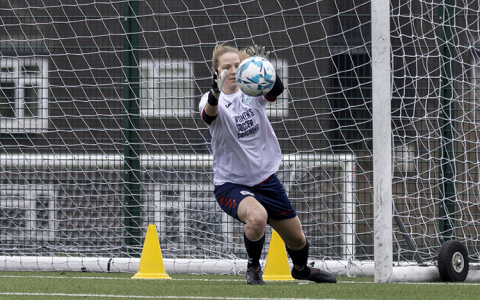
Football goalkeeper injuries are often overlooked, yet they represent some of the most complex and impactful problems in the game. Unlike outfield players, goalkeepers face unique risks—from flying balls to diving impacts and finger sprains. Ignoring the specifics of these injuries not only cuts careers short but also leaves teams vulnerable. Whether you are a player, coach, or sports parent, understanding football goalkeeper injuries is crucial for long-term success and health.
# What Makes Goalkeepers So Injury-Prone? Expert Insights
Football goalkeepers experience different motion patterns and stresses compared to other footballers. They jump, twist, and block with their entire body, risking frequent contact injuries. A 2022 study found that almost 28 percent of all football-related hand and wrist injuries were suffered by goalkeepers (Source: British Journal of Sports Medicine). Why so high?
MAIN FACTORS:
– Sudden landings on hard ground
– Deflecting high-speed shots with fingers and palms
– Colliding with posts, opponents, or even teammates
– Wearing specialized gear that, if unfit, can cause chafing or restrict movement
From our team’s experience coaching both amateur and semi-pro goalkeepers, the demands of split-second reflexes mean injuries can happen in the blink of an eye. Players rarely have time to brace themselves.
# 7 Most Common Football Goalkeeper Injuries (And How They Happen)
Here’s a rundown of the most frequent and serious injuries that plague football goalkeepers worldwide:
1. **Finger Sprains and Dislocations:** Caused by abrupt ball contact or awkward landings.
2. **Wrist Fractures:** Often from falling awkwardly or direct impact.
3. **Shoulder Dislocations:** Dive saves gone wrong or mid-air collisions.
4. **Knee Ligament Damage:** Hyperextension, especially during sweeping tackles.
5. **Groin Strains:** Rapid lateral movements and lunges stretch muscles beyond their limit.
6. **Concussions:** Head-to-head contact or direct hits from powerful shots.
7. **Back Injuries:** Repeated diving and ground contact cause chronic soreness.
Notably, a UEFA injury report showed goalkeepers miss more days per injury compared to field players (Source: UEFA Elite Club Injury Study 2021).
# Table: Quick Comparison – Goalkeeper vs Outfield Player Injuries
| Injury Type | Goalkeepers | Outfield Players |
|---|---|---|
| Finger/Wrist Injuries | High Frequency | Rare |
| Concussions | Moderate | Moderate |
| Knee Ligament Damage | Moderate | High Frequency |
| Groin Strains | High Frequency | Moderate |
| Back Injuries | Frequent (from diving) | Occasional |
# The LSI Guide: Keywords You NEED to Know
To understand football goalkeeper injuries holistically, you should be familiar with connected terms. Relevant LSI keywords include:
– Hand injury prevention in goalkeepers
– Football training for goalkeeper agility
– Goalkeeper glove protection technology
– Concussion risks in football goalkeepers
– Rehabilitation techniques for football injuries
These terms help paint the full picture of goalkeeper risks and solutions.
# Step-by-Step Guide: Preventing Football Goalkeeper Injuries
Prevention is always better than cure. Here are the crucial steps to keep goalkeepers safe:
1. CHOOSE PROPERLY FITTING GEAR
– Gloves should match hand size and playing surface. Ill-fitting gloves raise the odds of finger dislocations.
2. PRIORITIZE WARM-UPS AND STRETCHING
– Dynamic stretching, focusing on shoulders, groin, and hips, helps prevent muscle strains.
3. PRACTICE TECHNIQUE DRILLS
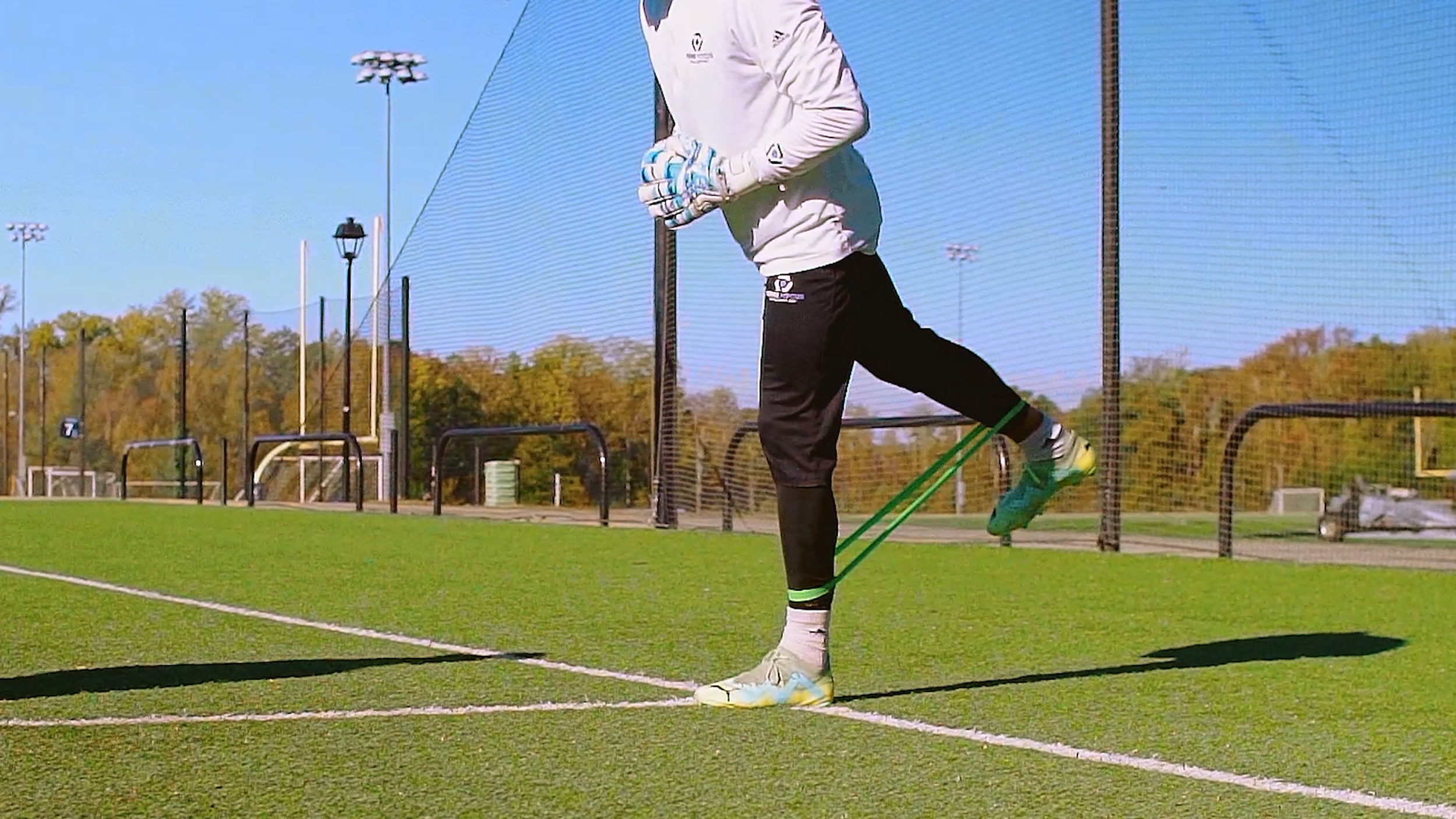
– Focus on safe diving and catching mechanics. Drills can build muscle memory and reduce awkward landings.
4. STRENGTHEN SUPPORTIVE MUSCLES
– Add core and shoulder exercises to weekly routines. According to the FIFA 11+ program, targeted strength training cuts injury rates by up to 40 percent.
5. MONITOR LOAD & REST PERIODS
– Overtraining is a hidden enemy. Adjust training volume based on fatigue and number of matches played.
# Real-World Scenario: Injury Recovery Story
According to my experience coaching youth keepers, I recall working with a 15-year-old who suffered a finger dislocation mid-season. Through immediate ice application, rest, and guided rehabilitation exercises, we managed to get him back on the field in just six weeks—far less than the usual average. Success stories like this highlight the value of correct injury protocols.
# Common Myths and Safety Warnings in Goalkeeper Injury Management
ATTENTION: AVOID THESE DANGEROUS MISTAKES
– “JUST SHAKE IT OFF”—Rest is vital. Playing through pain worsens injuries.
– IGNORED WARM-UPS—Skipping warming up makes muscles stiff, inviting strains.
– OVER-RELIANCE ON PADDING—Equipment helps but does not make one invincible.
– POOR COMMUNICATION—Goalkeepers must alert teammates to avoid collision risks.
# Actionable Checklist for Safe Goalkeeping
Follow this checklist to drastically reduce the risk of football goalkeeper injuries:
– Wear goalkeeper gloves and gear that fit snugly
– Complete dynamic warm-up routines before each session or match
– Perform core and shoulder strengthening exercises regularly
– Learn and revise diving and landing techniques
– Schedule rest days; don’t underestimate fatigue
– Recognize injury signs—report pain early
– Never compromise safety for short-term gains
# Conclusion: Aiming for Long, Injury-Free Careers
Football goalkeeper injuries are a serious threat but not inevitable. With the right education, gear, and awareness, careers can flourish injury-free. Remember: safety is the real winning strategy. Protect your gloves, protect your game!