# Understanding What Does the Tackle Do in Football
If you are new to American football, one position that often sparks confusion is the tackle. Whether you are watching a game, coaching youth teams, or researching for fantasy leagues, you might be left wondering: what does the tackle do in football? In this article, I will break down everything you need to know, bust a few common myths, and show you why tackles can make or break a game.
# The Role of a Tackle: Offense vs. Defense
At its core, the term “tackle” in football refers to both a position and an action. But here’s the catch: offense and defense each have their own tackles.
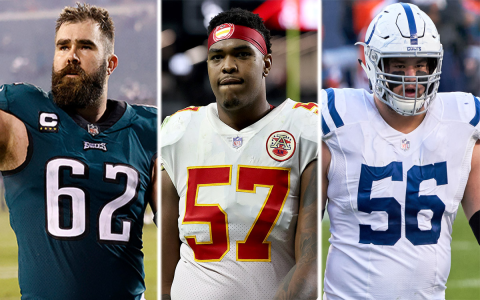
On offense, the tackle position is a part of the offensive line, with two tackles on the field: the left tackle and the right tackle. Their primary job is to protect the quarterback and open up lanes for the running backs.
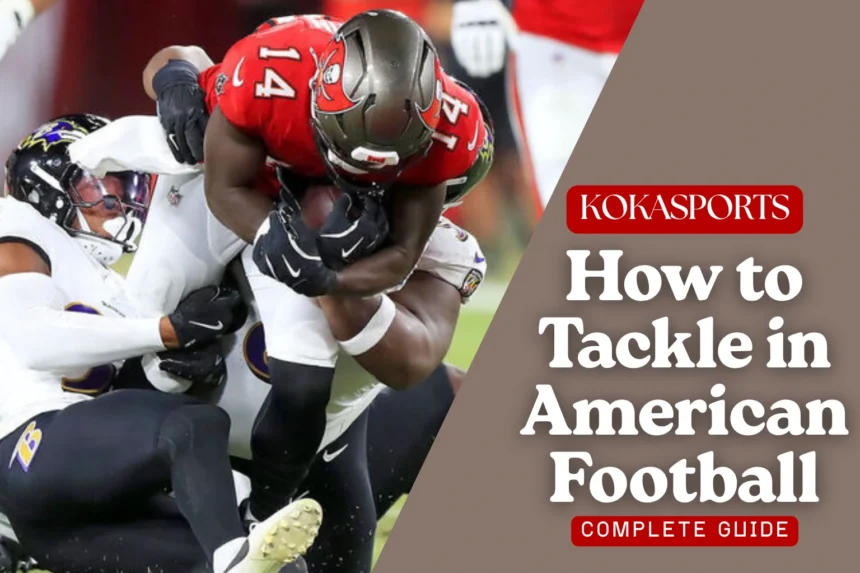
On defense, to “make a tackle” means to stop the opponent’s progress by bringing down the player with the ball. However, there is also a defensive tackle position, which is a lineman who lines up in the interior and is responsible for stopping runs up the middle and pressuring the quarterback.
# Offensive Tackle: Key Responsibilities
So, what does the tackle do in football if they are playing offense? The answer: A lot more than just standing around!
Offensive tackles are positioned at the outer edges of the offensive line. The left tackle often protects the quarterback’s “blind side”—crucial for right-handed quarterbacks.
Their tasks include:
– Pass protection: Blocking defensive players to give the quarterback time to throw.
– Run blocking: Creating paths for the running back.
– Adjusting to defensive schemes: Trying to identify blitzes and adjust their blocks accordingly.
– Sometimes pulling: Moving laterally along the line to block defenders on the opposite side.
According to the NFL’s Next Gen Stats, the average NFL offensive tackle is involved in approximately 60–70 plays per game, executing both run and pass blocks in high-pressure situations (Source: NFL Next Gen Stats).
# Defensive Tackle: Core Duties
Now, let’s switch gears. What does the tackle do in football on defense? The defensive tackle (DT) lines up in the middle of the defense and is usually one of the largest, strongest players on the field.
Their responsibilities include:
– Plugging up running lanes to prevent big gains.
– Pushing through or splitting double teams to pressure the quarterback.
– Tackling the ball carrier or sacking the quarterback.
Defensive tackles may not always be at the top of the stat sheet, but their influence is massive. In the 2023 NFL season, the average starting defensive tackle registered 3.5 sacks and 40 tackles, vital in big-play moments (Source: Pro Football Reference, 2023).
# Offensive vs. Defensive Tackle: HTML Comparison Table
To make this clearer, see the comparison below:
| Feature | Offensive Tackle | Defensive Tackle |
|---|---|---|
| Primary Role | Protects quarterback, blocks for run game | Stops run, creates pressure on quarterback |
| Usual Position | Edges of the offensive line | Center of the defensive line |
| Key Attributes | Agility, strength, quick footwork | Power, leverage, toughness |
| Main Actions | Block defenders, set edges | Tackle ball carrier, break through blocking |
# How to Play Tackle in Football: Step-by-Step Guide
Ready to learn how to play either tackle position? Here is a straightforward guide that applies to both offense and defense, although some techniques will differ.
STEP 1: Learn the stance. On offense, keep feet shoulder-width apart, weight evenly distributed. On defense, drop your hips and get explosive.
STEP 2: Know your assignment. Offensive tackles must memorize blocking schemes; defensive tackles study gaps and read the snap count.
STEP 3: Focus on hand placement. Offensive players use their hands to control defenders; defensive tackles shoot their hands to disengage blocks.
STEP 4: Move your feet. Quick feet help tackles stay in front of defenders or break through offensive lines.
STEP 5: Finish every play. Whether you are protecting, blocking, or tackling, play through the whistle.
From my experience coaching amateur teams, mastering basics and keeping a “never give up” attitude separates average tackles from game-changers.
# Common Mistakes and What to Avoid
**WARNING: Avoid These Common Mistakes When Playing Tackle**
– Reaching or lunging: This causes loss of balance and opens you up for penalties or missed tackles.
– Poor footwork: Drifting with heavy feet makes it easy for your opponent to beat your block or evade your tackle.
– Giving away your intention: Subtle shifts or moving early tips off the defense or offense, making you predictable.
– Failing to communicate: Silence leads to breakdowns in blocking or gap coverage, especially against tricky defenses.
These errors can cost your team crucial yardage or lead to turnovers.
# Pro Tips for Excelling as a Football Tackle
It’s not just about brute strength. The best tackles have a combination of football IQ, technical skills, and relentless attitude. Take future Hall of Famer Joe Thomas, for example. His streak of 10,363 consecutive snaps, playing almost flawlessly, was no accident. It was thanks to detailed preparation—and he barely committed holding penalties (Source: ESPN, 2018).
Another pro tip: Watch film regularly. As we always tell our rookies, seeing how elite tackles move against top pass rushers or top offensive lines gives you a mental playbook before game day.
# Frequently Asked Questions
WHAT DOES THE TACKLE DO IN FOOTBALL DURING A PASS PLAY?
On offense, the tackle must prevent defensive ends from pressuring the quarterback; on defense, he tries to push the pocket and disrupt the throw.
DOES THE TACKLE ALWAYS START?
Not necessarily. Teams often rotate tackles, particularly on defense, to keep players fresh or match specific strategies.
ARE TACKLES USUALLY BIGGER THAN OTHER POSITIONS?
Typically, yes. NFL offensive tackles are often 6’5” or taller and weigh over 300 pounds; defensive tackles also pack plenty of size and muscle.
# Final Takeaway: Why Tackles Are Essential
So, when tackling the question, what does the tackle do in football, the answer is: almost everything in the trenches. They form the backbone of both the offensive and defensive lines. Smart coaches know that strong tackles are non-negotiable for championship-level play.
# Practical Checklist for Tackles
– MASTER your stance and footwork before advancing to advanced moves
– STUDY your opponent’s tendencies every week
– LISTEN and COMMUNICATE with your line mates each play
– WATCH film and learn from elite professionals to hone technique
– NEVER stop improving strength, agility, and mental sharpness
If you keep these points in mind, you will not only understand but thrive at the tackle position in football. Now, the next time someone asks, “what does the tackle do in football?”, you’ll have all the answers—and then some.