# Introduction: Why Defense Football Positions Matter
Whether you’re new to football or looking to coach your local team, understanding defense football positions is a game-changer. Confused by exotic terms like “nickel corner” or “strong safety”? You’re not alone. Many fans focus on offense, but the heart of a winning team is a rock-solid defense. In this guide, we’ll decode the defensive side of the field, tackle the roles, provide expert tips, and help you build a defense that intimidates any opponent.
# How the Defensive Unit Works: Core Concepts
Defense football positions in American football refer to the alignment and duties of players whose main goal is to stop the opposing offense. The defense typically consists of three levels: defensive line, linebackers, and defensive backs. Each position has a specific skill set and mission—ranging from stuffing the run to intercepting passes.
According to a report from the NFL Football Operations department, defensive schemes have become more varied in the last decade, with teams deploying five or more defensive backs on nearly 60 percent of plays in 2023 (来源: [NFL Football Operations]).
## The Three Core Units
1. Defensive Line: Battles at the line of scrimmage, disrupts running and passing.
2. Linebackers: Versatile disruptors who defend both the run and pass, sometimes blitzing.
3. Defensive Backs (Secondary): Safeguard against long passes, providing deep coverage.
# Detailed Breakdown: Defense Football Positions Explained
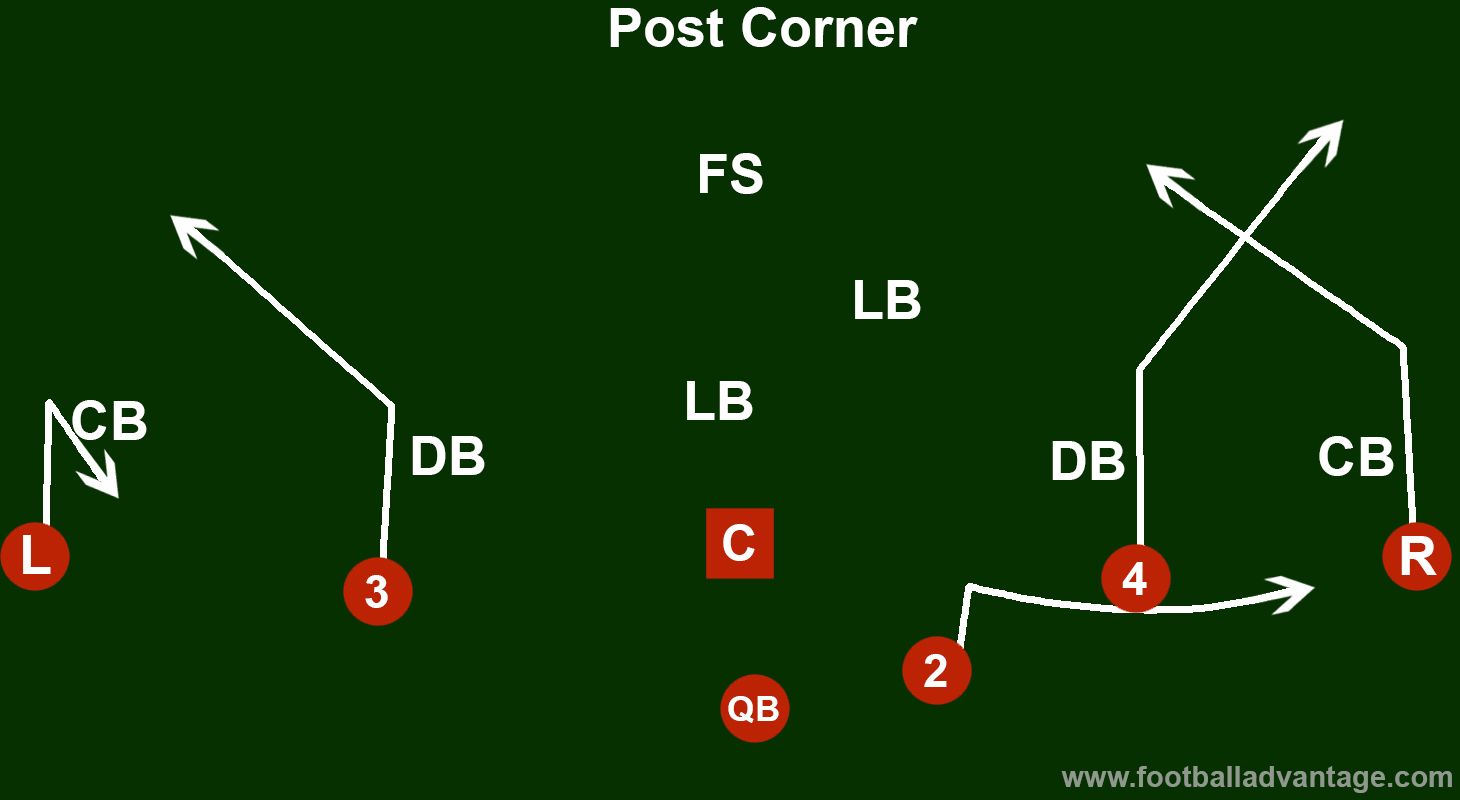
Let’s get specific. Below is a detailed overview of the primary defense football positions and their core responsibilities.
| Position | Main Role | Typical Size |
|---|---|---|
| Defensive Tackle (DT) | Stop inside runs, pressure the quarterback from the middle | 300+ lbs, Power-focused |
| Defensive End (DE) | Contain outside runs, sack the quarterback | 250-280 lbs, Speed + Strength |
| Linebacker (MLB/OLB) | Read offenses, tackle runners, cover receivers | 230-260 lbs, Agile + Smart |
| Cornerback (CB) | Cover wide receivers, break up passes | 180-200 lbs, Fastest on defense |
| Safety (FS/SS) | Deep pass coverage, run support | 200-220 lbs, Versatile |
Each position demands unique physical and mental traits. For instance, the best cornerbacks anticipate and mirror receivers, while defensive tackles thrive on raw power.
# Formation Guide: How Defense Football Positions Shift
Real games require adaptation. Coaches deploy defensive players in formations like the classic 4-3 (four linemen, three linebackers) or the aggressive 3-4 (three linemen, four linebackers). Let’s break this down.
– 4-3 Defense: Aims for balance. The four-lineman front is strong against the run.
– 3-4 Defense: Promotes blitzing. Extra linebacker means more versatility.
– Nickel and Dime Packages: Add extra defensive backs to counter passing offenses.
According to research by Pro Football Focus, teams using nickel formations saw a 10 percent decrease in passing yards allowed per play in 2022 (来源: [Pro Football Focus]).
# Step-By-Step: How To Master Defense Football Positions
Ready to build or improve your defense? Here’s a five-step guide that coaches and players should follow.
1. Evaluate Each Player: Assess speed, strength, agility, and football IQ for best fit.
2. Teach Basic Assignments: Every defender must understand gap responsibility and coverage zones.
3. Coach Communication: Develop a system where safeties and linebackers can call audibles.
4. Practice Movement Drills: Reaction time and footwork are paramount in all defense football positions.
5. Regularly Review Game Film: Identify opponent tendencies and tweak formations weekly.
# Common Pitfalls: What to Avoid in Defense Football Positions
— WARNING: WATCH OUT FOR THESE MISTAKES —
– Assigning Players By Size Alone: A big player is not always a good lineman.
– Neglecting Cross-Training: Don’t keep linebackers or defensive backs in a single role.
– Poor Communication: Missed calls lead to blown coverage and big gains for the offense.
– Ignoring Scheme Fit: Shoe-horning players into unfamiliar defense football positions can backfire.
– Overlooking Fundamentals: Even elite athletes can miss tackles without proper technique.
# Famous Examples: Real Game-Changing Defensive Lineups
Looking at championship teams shows the impact of well-crafted defense football positions. The 2013 Seattle Seahawks “Legion of Boom” dominated through aggressive press coverage and rangy safeties. More recently, the San Francisco 49ers leveraged their fast linebackers and ferocious front four to reach multiple NFC championships.
According to my experience with youth teams, teaching kids the basics of every defense football position builds a smarter, tougher squad—no matter their size or athletic level.
# Defense Football Positions Checklist: Build an Unbreakable Defense
– Identify each player’s best traits, then match with the ideal role
– Establish clear terminology for all formation shifts and coverage schemes
– Drill on fundamentals: tackling, pursuit angles, and hand placement
– Regularly update playbooks with counters for common offensive strategies
– Prioritize communication between safeties, corners, and linebackers
– Analyze opponents before every game to spot weaknesses
– Review and reinforce every week’s defensive performance with video analysis
# Final Thoughts
Mastering defense football positions isn’t just for coaches or elite athletes. It shapes smarter teams, better fans, and more exciting games. With the right approach—even if you’re just starting—you’ll elevate the standard of play and enjoy the tactical chess match that is American football defense. Keep experimenting, stay disciplined, and remember that defense truly does win championships.