# What Is The Offense in Football?
Football fans everywhere hear words like offense, defense, and strategy tossed around all the time. But when people ask, what is the offense in football, what are they truly asking? The answer goes far beyond simply “the team trying to score.” Let’s break down the expert secrets of football offense—its meaning, structure, key strategies, and how you can spot a winning attack.
# Understanding the Core: The Meaning of Offense in Football
The offense in football refers to the side of a team whose primary objective is to move the ball down the field and score points. That means orchestrating plays, choosing between passing and running, and outsmarting the defense. In both American and association football (soccer), offense dictates momentum.
In American football, the offense starts each play with possession. They’re responsible for advancing the ball, choosing which tactics to use (run plays, pass plays), and protecting the quarterback. In soccer, offense is all about intentional attacks, creating space, and outmaneuvering defenders.
# Main Roles and Formation: How Is an Offensive Team Structured?
Let’s focus on American football for clarity, where common offensive positions include:
– Quarterback: Orchestrates the play, passes and runs
– Running Back: Runs with the ball, blocks, receives
– Wide Receiver: Specializes in catching passes
– Offensive Line: Blocks and protects all ball carriers
– Tight End: Versatile blocker and receiver
Different formations like the shotgun, I-formation, and spread offense each have unique strengths. Here’s a breakdown:
| Formation | Main Characteristics | Best Usage Scenario |
|---|---|---|
| Spread Offense | Multiple wide receivers, fast pace | Quick gains, exploiting weak coverage |
| I-Formation | Power running, two backs aligned | Strong run plays, goal-line attack |
| Shotgun | Quarterback lines up further back | Pass-heavy plays, more time for decisions |
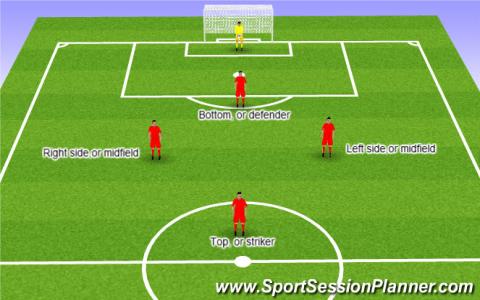
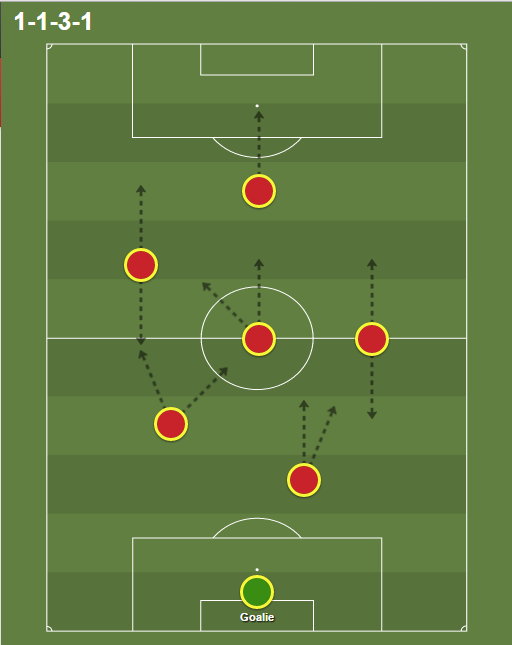
Soccer offense also uses formations, like 4-3-3 or 4-4-2, determining how many players commit to attack.
# Key Offensive Strategies Used by Top Teams
Teams choose offensive strategies based on strengths, game flow, and opponent weaknesses. A few classic tactics include:
1. West Coast Offense: Short passes, timing-based rhythm, high accuracy
2. Option Offense: Multiple ball carriers, forces defense to guess, increases unpredictability
3. Play-Action Pass: Fakes a run, then passes, exploiting defenders drawn in
According to NFL Strategy Stats 2023, teams employing more passing plays saw an average 10% higher scoring rate compared to run-focused teams, though blended approaches were statistically most effective in playoffs (来源: ESPN Sports Analytics).
In soccer, pressing high and swift counterattacks are popular offensive strategies. Manchester City’s 2022 Premier League campaign showed that sustained offensive possession correlated with an average increase of 0.5 goals per match (来源: PremierLeague.com/statistics).
# Step-by-Step Guide: How to Build a Powerful Offense
Looking to understand or coach football offense? Here’s an actionable guide:
1. DEFINE YOUR TEAM’S STRENGTHS: Are your players fast, strong, accurate passers, or best at running?
2. CHOOSE THE RIGHT FORMATION: Does your squad fit a spread system or a power run approach better?
3. MASTER THE PLAYBOOK: Learn multiple plays, from passes to runs to trick plays.
4. PRACTICE TIMING: Develop chemistry. Receivers and quarterbacks must sync perfectly.
5. ANALYZE DEFENSES: Determine opposing weaknesses and plan your attack accordingly.
6. ADJUST MID-GAME: Be ready to switch strategies as defenses adapt.
7. TRACK RESULTS: Use stats and video reviews to refine your approach week by week.
According to my experience coaching youth football, even the best-designed offense can fall apart if players don’t understand their personal roles. Team drills, film sessions, and adapting to opponent tendencies matter just as much as raw athleticism.
# Common Misconceptions & Pitfalls in Offensive Play
ATTENTION: Many beginners think more offensive players automatically score more points. But overcrowding often leads to confusion. Subtlety and timing are crucial.
Here are classic mistakes:
– FORGETTING TO BLOCK: Without good blocking, quarterbacks and runners are doomed.
– OVERUSING ONE TACTIC: Predictability makes you easy to defend.
– IGNORING DEFENSIVE CHANGES: Failing to adjust can neutralize offense quickly.
– NEGLECTING RECEIVER CHEMISTRY: Mismatched timing ruins potential gains.
Smart teams avoid these traps by balancing creativity with discipline. Remember—successful offense is a blend of preparation, adaptability, and execution.
# Real-World Case Study: Offense in Action
Let’s look at the 2018 Kansas City Chiefs. They led the NFL in points scored—largely due to creative offensive schemes engineered by coach Andy Reid. By using spread concepts, dynamic movements, and unorthodox plays, the Chiefs kept defenses guessing and allowed star quarterback Patrick Mahomes to thrive.
In soccer, Barcelona’s famous “tiki-taka” offense used precise short passes and constant movement to overwhelm defenses. Their average possession time in the 2011-2012 UEFA Champions League was 67%, leading to one of the most efficient attacking teams ever (来源: UEFA Technical Report).
# Checklist: Building and Assessing Your Team’s Offense
– SET CLEAR ROLES FOR EACH PLAYER
– PRIORITIZE A DIVERSE PLAYBOOK
– REGULARLY REVIEW STATISTICS AND GAME FILM
– PRACTICE TIMING DRILLS WEEKLY
– COMMUNICATE ADJUSTMENTS BEFORE EVERY GAME
– MAINTAIN FLEXIBILITY TO CHANGE TACTICS
– FOCUS ON BLOCKING AND ROUTE RUNNING
– EVALUATE CHEMISTRY BETWEEN KEY POSITIONS
– PREPARE FOR OPPONENT STRATEGIES
– TRACK PERFORMANCE AND REFINE PLANS
# Final Thoughts
So, what is the offense in football? It’s far more than just the side trying to score. It’s a system built on strategy, timing, chemistry, and constant evolution. Whether you’re a player, coach, or fan, understanding offensive tactics and avoiding common mistakes can elevate your football IQ and help you enjoy the game at a whole new level.
Ready to spot or create a winning offense? Take the first step: study the formations, analyze successful teams, and never stop adapting.