
# Introduction: Why Explaining Football Matters
Let’s face it—football can be confusing if you’ve never played or watched before. When someone asks, “How do you explain football to a beginner?” they’re hoping for clarity without jargon or overwhelming rules. Whether you’re teaching family, friends, or students, mastering this explanation is crucial for building excitement and engagement. According to FIFA, football is played by over 250 million people worldwide (Source: FIFA.com), making it the most popular sport on the planet. However, even with its popularity, many newcomers are left puzzled. Here’s how to make things click.
# Understanding the Basics of Football
So, how do you explain football to a beginner in a clear, simple way? Start with the foundation. Football, known as soccer in some countries, is a game with two teams, each trying to score by moving the ball into the opponent’s goal.
– Each team has 11 players.
– Players must use their feet, heads, or torsos to control the ball—hands are only for the goalkeeper.
– The game is split into two halves, each 45 minutes.
If you can get these basics across, you’ve set up the rest well. According to Statista, over half of football fans say the simplicity of the game’s objective is why they keep watching (Source: Statista.com).
# Key Elements and Rules: Making it Crystal Clear
Now, let’s get a little deeper. Common questions from beginners usually include: What do the positions mean? How do fouls work? How is the game scored? Here’s what to highlight:
– **THE PITCH:** The field is rectangular, usually about 100 meters long and 64 meters wide.
– **THE GOAL:** Each end has a goalpost; scoring means sending the ball across the opponent’s line.
– **POSITIONS:** Players fill roles like defender, midfielder, or forward. Each has a part in offense or defense.
– **FOULS:** Illegal moves—like tripping or handball—give the other team a free kick or penalty.
Here’s a handy comparison table so you can see how football stacks up against another popular sport, basketball, which many beginners might be more familiar with:
| Feature | Football | Basketball |
|---|---|---|
| Number of Players | 11 per team | 5 per team |
| Main Objective | Score by kicking ball into goal | Score by shooting ball into basket |
| Allowed Body Parts | Feet, head, torso (hands for goalkeepers) | Hands |
| Game Duration | 90 minutes (2×45) | 48 minutes (4×12) |
This comparison often helps beginners anchor concepts to something familiar.
# Step-by-Step Guide: Teaching Football to Beginners
We’ve found through coaching and workshops that a practical, step-by-step approach works best. Here’s how you can do it:
1. **Show Them the Field:** Walk them through the layout—point out goals, center circle, penalty box.
2. **Explain the Teams:** Introduce each player position and what they do during the game.
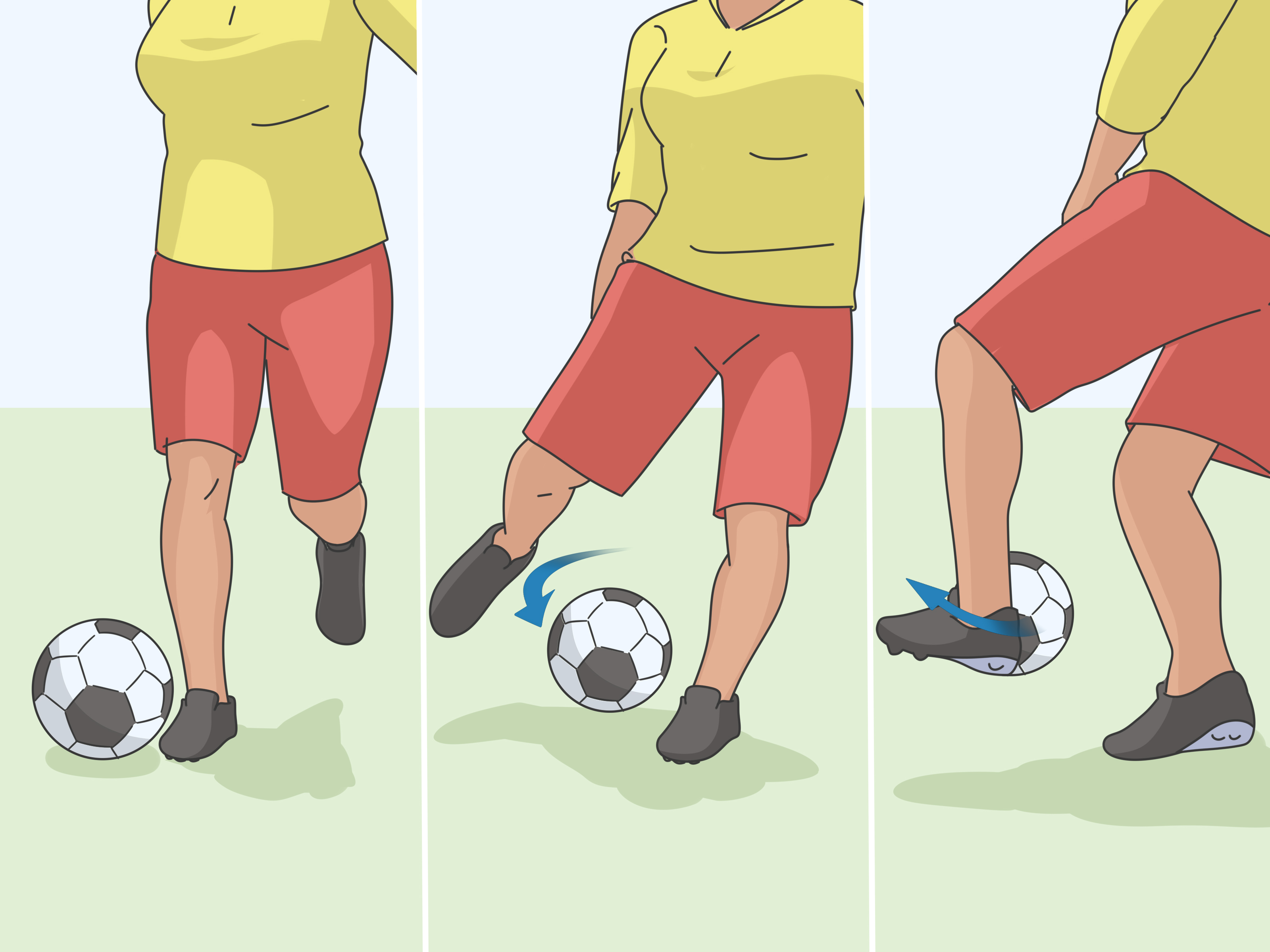
3. **Demonstrate Basic Moves:** Teach how to pass, dribble, and shoot with your feet.
4. **Use Visuals:** Diagrams or videos can reinforce movements and positioning.
5. **Play a Mini-Game:** Set up a small match—this makes rules and objectives come alive right away.
Based on my experience hosting weekend football clinics, beginners grasp rules faster when you combine explanation and hands-on play. Don’t worry if they seem lost at first; once they start moving, things get fun quickly.
# Common Mistakes and Pitfalls to Avoid
**WARNING: WATCH OUT FOR THESE COMMON BEGINNER MISTAKES**
It’s easy to slip up when teaching football from scratch. Here are the top errors to avoid:
– **USING TOO MUCH TECHNICAL LANGUAGE:** Terms like “offside trap” or “holding midfielder” mean nothing until the basics click.
– **FORGETTING TO DEMONSTRATE:** Abstract explanations don’t stick—show, don’t just tell.
– **OVERLOADING WITH RULES:** Focus on the essential rules first, expand as interest grows.
Remember, clarity beats complexity every time.
# The Importance of Teamwork and Communication
Football is more than scoring goals; it’s all about working as a unified group. Stress to beginners:
– Each player’s role matters for both offense and defense.
– Passing, talking, and positioning keep the whole team moving.
– Mistakes are normal, and cheering each other on builds confidence.
Teamwork isn’t just a skill—it’s the backbone of every winning team, at any level.
# FAQs: The Questions Beginners Really Ask
Football newcomers often ask:
– HOW LONG IS A GAME?
– WHAT IF THE BALL GOES OUT?
– CAN I USE MY HANDS EVER?
– HOW DO I KNOW WHO IS WINNING?
– WHAT HAPPENS IF THE SCORE IS TIED?
Having simple answers on hand makes the teaching process smoother.
# Final Checklist: Explaining Football to a Beginner
To wrap up, here’s your go-to checklist. Use it every time you answer “how do you explain football to a beginner”—you’ll be ready for any scenario.
START WITH THE FIELD AND GOALS
INTRODUCE BOTH TEAMS AND BASIC POSITIONS
DEMONSTRATE PASSING, SHOOTING, AND DRIBBLING
EXPLAIN HOW THE GAME IS SCORED
PLAY A QUICK MINI-GAME FOR PRACTICE
USE SIMPLE LANGUAGE AND LOTS OF VISUAL DEMONSTRATION
LET BEGGINGERS ASK QUESTIONS
DON’T OVERLOAD WITH RULES—EXPAND SLOWLY
EMPHASIZE TEAMWORK AND SUPPORT
AVOID TECHNICAL JARGON EARLY ON
And there you go. The next time someone asks, “how do you explain football to a beginner,” you’ll have all the tools you need to break through confusion and spark fascination. Football’s charm is in its simplicity, excitement, and the joy of learning something new—so help others experience it, one step at a time.