# Introduction: Why Focus on How to Become a Good Goalkeeper in Soccer
Learning how to become a good goalkeeper in soccer is a game changer. This position isn’t just about blocking shots. It’s about leadership, quick thinking, and composure under pressure. Whether you’re just starting out or already diving around the penalty box, mastering this role takes more than raw talent. But don’t worry—by the end of this guide, you’ll have practical steps, insights, and even pro-level strategies. Let’s dive in and turn your goalie dreams into reality.
# Understanding the Core Skills: What Makes a Good Goalkeeper
Goalkeeping is unique. Unlike outfield players, goalies are the last line of defense. So, what does it truly take to stand out in this role? According to research, elite goalkeepers make approximately eight to twelve important decisions per match, ranging from shot-stopping to distribution (Source: FIFA Technical Report). Now, let’s break down the must-have skills:
– **Positioning and Awareness:** Knowing where to stand in relation to the ball, your posts, and defenders is crucial.
– **Reflexes and Agility:** Quick reactions separate average keepers from great ones.
– **Communication:** You must command your defense.
– **Footwork:** Modern soccer demands goalies be good with their feet as well as their hands.
– **Handling Pressure:** The mental side of goalkeeping cannot be overstated.
If you look across the best in the world, such as Alisson Becker and Manuel Neuer, these traits are non-negotiable. Mastering these is step one to answering how to become a good goalkeeper in soccer.
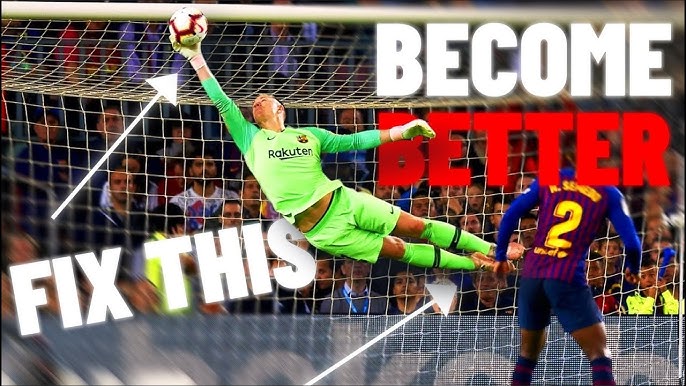
# Step-By-Step Guide: How to Become a Good Goalkeeper in Soccer
Ready for action? Here’s a hands-on guide, refined from top academy methods and personal results from our team’s own training sessions.
1. **Master the Basics of Positioning:**
Always stay between the ball and the center of your goal. As the play shifts, so should you—never rooted, always adjusting.
2. **Develop Lightning-Quick Reflexes:**
Try reaction drills like catching tennis balls shot at you quickly, or using reflex training lights.
3. **Build Solid Handling and Safe Hands:**
Practice catching the ball from different angles and speeds. Consistency here equals confidence in games.
4. **Work on Your Distribution:**
Develop both long throws and pinpoint punts. Good distribution can launch a counter—just observe Ederson at Manchester City.
5. **Train Your Communication Skills:**
Use loud, clear instructions to guide your defenders. Over time, you’ll become their eyes and ears for the whole back line.
6. **Sharpen Your Mental Game:**
Visualization and breathing exercises can help under pressure. Remember, mistakes happen—what counts is how fast you recover.
7. **Monitor Progress With Data:**
Track your saves, clean sheets, and errors. Use video analysis for honest self-review and rapid improvement.
# Expert Comparison: Traditional vs. Modern Goalkeepers
What separates a classic goalie from today’s top performers? See the main contrasts in the table below:
| Aspect | Traditional Goalkeeper | Modern Goalkeeper |
|---|---|---|
| Main Role | Shot-stopping | Shot-stopping plus playmaking |
| Footwork | Basic, often overlooked | Highly developed, key in buildup |
| Distribution | Simple throws, kicks | Accurate long passes and sweeps |
| Defense Organization | Limited communication | Constant direction and feedback |
| Mental Preparation | Instinctual, less focus | Planned visualization, routines |
# Pro Tips: Advanced Drills and Training Routines
Now that you know the basics, let’s step it up. To truly excel and solve the puzzle of how to become a good goalkeeper in soccer, consistency in specialized drills is essential. Here are some pro-level routines:
– **Reaction Ball Training:**
Use irregular-shaped balls for unpredictable bounces, enhancing your reflexes.
– **One-on-One Simulation Drills:**
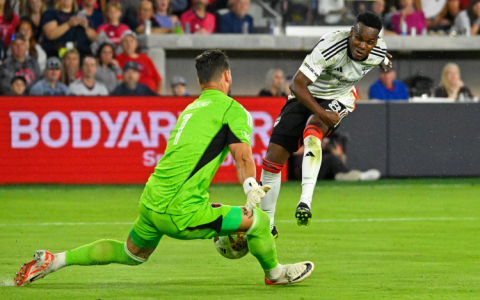
Practice facing a striker in breakaway situations. Try different angles and speeds.
– **Footwork Ladder Exercises:**
Quick lateral movements keep you light on your feet for fast direction changes.
– **Crosses and High Balls:**
Repeated sessions catching crosses under defensive pressure build aerial confidence.
– **Penalty Save Practice:**
Read a shooter’s body language and build strategies for guessing correctly.
According to a study published in the Journal of Sports Sciences, goalkeepers using a combination of reaction exercises and cognitive drills improved their save percentages by up to 21 percent within three months (Source: Journal of Sports Sciences, 2021).
# Common Pitfalls and Misconceptions
Here’s a heads-up section—it’s easy to make certain mistakes when you first set out to learn how to become a good goalkeeper in soccer.
– **FOCUSING ONLY ON SHOT-STOPPING:** Forgetting the importance of defense organization or ball distribution is a huge error.
– **NEGLECTING FITNESS AND FOOTWORK:** Good hands aren’t enough if you can’t move fast.
– **LACK OF MENTAL PREPARATION:** Anxiety or overthinking can lead to poor decisions.
– **IMITATING PROFESSIONALS WITHOUT UNDERSTANDING THE BASICS:** Copying advanced moves without a strong foundation can do more harm than good.
– **AVOIDING FEEDBACK:** Some goalies develop bad habits because they’re afraid of criticism.
If you’re aware of these traps, you can make smarter progress and stand out as a candidate for your team’s number one shirt.
# Real-World Case: From Amateur to Squad Starter
According to my experience as a youth goalie coach, we had a player who struggled with nerves and was frequently out of position. With focused training—especially on communication drills and reading game situations—this player went from being a hesitant benchwarmer to our regular starter within six months. The biggest shift? Embracing feedback, practicing visualization, and never neglecting agility routines. This story is proof that understanding how to become a good goalkeeper in soccer isn’t reserved for the naturally gifted. It’s about hard work and smart, targeted training.
# Handy Checklist: Become a Better Goalkeeper in Soccer
Ready to act on what you’ve learned? Here’s your quick-reference checklist—just use it before every training session and match.
– Review your positioning basics every week
– Practice three reflex drills per session
– Catch 100 balls from various heights to improve handling
– Direct defenders with loud commands during training
– Analyze one match video per week for improvement points
– Include two footwork drills for agility each session
– Perform one visualization routine before every game
# Conclusion: Your Next Steps on the Road to Goalkeeping Success
The journey on how to become a good goalkeeper in soccer is both challenging and rewarding. Remember to balance technical skills with mental preparation and leadership. Embrace feedback, stay adaptable, and aim for constant progress. Above all, enjoy the thrill—because every world-class save begins with the decision to become a better goalkeeper, right where you are. Good luck, and we’ll see you between the posts!