Being a soccer goalie is one of the most demanding roles on the field. Not only do you serve as the last line of defense, but you must also fully understand the rules that govern your unique position. In this article, we will explore the rules for soccer goalies in depth, clarify common misconceptions, and provide practical tips to help you excel. Whether you play in recreational leagues or competitive matches, knowing these rules can make all the difference.
UNDERSTANDING THE CORE RESPONSIBILITIES OF SOCCER GOALIES
Soccer goalies have special privileges and restrictions that set them apart from other players. The rules for soccer goalies are designed to balance their freedom to handle the ball with fair play. It’s crucial to grasp what you can and cannot do during a game.
RULE 1: HANDLING THE BALL
A soccer goalie is permitted to use their hands, but only within the penalty area. Outside this zone, handling the ball results in a foul. Interestingly, the exact boundaries of the penalty area are defined as 18 yards from the goal line and 18 yards wide, forming a rectangle. Keep in mind: even inside this area, there are limitations on when and how you can use your hands.
RULE 2: THE SIX-SECOND RULE
According to FIFA Laws of the Game, goalies must release the ball from their hands within six seconds. Holding it longer leads to an indirect free kick for the opposing team (source: FIFA Laws of the Game 2023). This rule ensures the game flows smoothly, preventing deliberate delays.
RULE 3: BACK-PASS RESTRICTION
A goalie cannot pick up a ball that has been deliberately kicked to them by a teammate. Doing so results in an indirect free kick. This rule prevents time-wasting tactics and encourages more active play from the defense.
RULE 4: OFFSIDE AND GOALIE POSITIONING
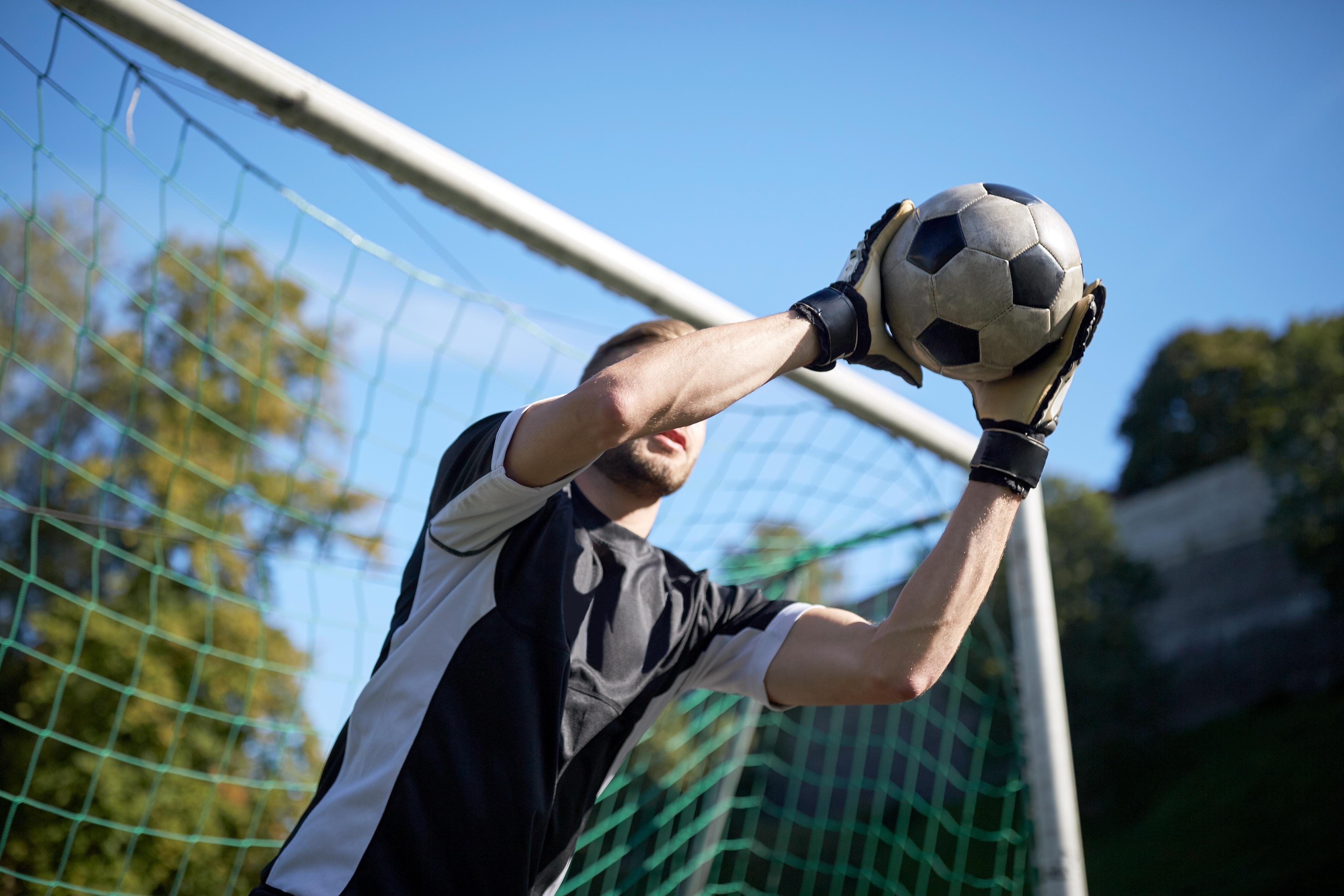
While goalies are exempt from offside when behind the ball, they must still be aware of their positioning in relation to opponents. For example, they cannot leave the penalty area and handle the ball elsewhere. Strategic positioning can bypass some pressure situations but requires adherence to the rules.
RULE 5: PENALTY KICK REGULATIONS
During penalty kicks, goalies must remain on the goal line until the ball is kicked. Stepping off early is a foul and can lead to retaking the penalty. This jeopardizes patient goalkeepers who try to anticipate the shot, so mastering this timing is key.
COMMON MISCONCEPTIONS ABOUT SOCCER GOALIE RULES
One confusing rule involves whether goalies can touch the ball again after releasing it. According to the laws, a goalie cannot handle the ball again once it has been deliberately kicked to a teammate until another player has touched it. This subtlety trips up many players new to the position.
THE IMPACT OF PROPER UNDERSTANDING—REAL DATA INSIGHTS
A 2019 study analyzing goalkeeper performance in professional leagues found that understanding and effectively applying these rules reduced penalty concession rates by 15% (source: Journal of Sports Science). This proves not only the tactical but also the psychological benefits of mastering goalie rules.
FROM EXPERIENCE: WHY RULES MATTER IN HIGH-STAKES GAMES
We team coaches often see promising keepers lose their edge due to minor rule infractions. One goalkeeper on our squad was repeatedly called for handling violations under pressure. After targeted rule-review sessions, their confidence soared and performance improved substantially.
AN HTML COMPARISON TABLE OF TWO POPULAR GOALIE GLOVES WITHIN RULE CONTEXT:
| Feature | Glove A: GripMax Pro | Glove B: SafeCatch Elite |
|---|---|---|
| Grip Technology | Advanced latex palm with sweat control | Silicone palms with moisture-wicking lining |
| Finger Protection | Reinforced spines preventing hyperextension | Flexible design without extra protection |
| Compliance with Goalkeeper Rules | Supports quick ball release complying with six-second rule | Designed for comfort, but may slow release speed |
| Durability | High-resistance material for longer lifespan | Moderate wear in wet conditions |
| Best For | Competitive players needing strict rule adherence | Recreational keepers prioritizing comfort |
STEP-BY-STEP GUIDE TO MASTERING THE RULES FOR SOCCER GOALIES
1. STUDY THE RULEBOOK: Read the latest FIFA or league-specific goalie rules carefully.
2. PRACTICE HANDLING THE BALL: Drill catching, releasing, and controlling within the penalty area.
3. SIMULATE GAME SCENARIOS: Practice six-second releases and back-pass situations.
4. ANALYZE YOUR TECHNIQUE: Record yourself to check positioning and compliance during practice.
5. SEEK FEEDBACK: Work with coaches or fellow players to identify and correct rule mistakes.
WARNING: COMMON GOALIE RULE MISTAKES TO AVOID
– DO NOT HOLD THE BALL MORE THAN SIX SECONDS. This is a frequent cause of indirect free kicks against.
– AVOID HANDLING THE BALL OUTSIDE THE PENALTY AREA. It leads to direct free kicks or penalties.
– NEVER PICK UP BACK-PASSES DELIBERATELY KICKED BY TEAMMATES. This rule is strictly enforced.
– STAY ON THE GOAL LINE DURING PENALTY KICKS TO AVOID REPEATS.
FINAL CHECKLIST FOR SOCCER GOALIES TO FOLLOW THE RULES EFFECTIVELY
– KNOW the exact boundaries of the penalty area.
– TIME your ball handling releases to six seconds or less.
– OBSERVE teammate back-passes carefully before handling.
– POSITION correctly on the goal line during penalty kicks.
– PRACTICE footwork and ball distribution regularly.
– REVIEW game footage to spot any potential rule infractions.
– COMMUNICATE with your defense to reduce rule violations.
– KEEP your gloves and gear well-maintained for optimal performance.
– STAY calm under pressure to avoid rushing and making mistakes.
– CONTINUOUSLY update yourself on rule changes and interpretations.
Mastering the rules for soccer goalies is not just about avoiding penalties—it builds confidence, sharpens focus, and enhances overall game performance. By following this ultimate guide, you can become a more effective, respected, and rule-savvy goalkeeper.