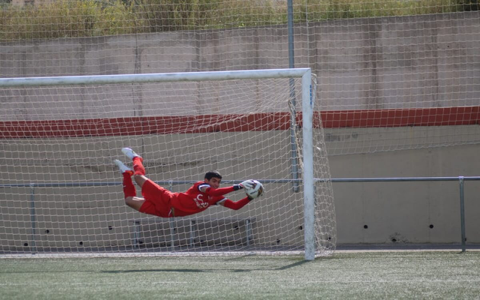
If you want to excel as a goalkeeper or simply understand the position better, mastering the goalkeeper rules is crucial. Goalkeepers have unique rights and restrictions that set them apart from outfield players. In this comprehensive guide, we will break down the must-know rules, practical tips, and common mistakes to help you or your team improve significantly.
# Understanding the Core of Goalkeeper Rules
Goalkeeper rules revolve around what keepers are allowed and not allowed to do during a football match. The main focus is on their handling privileges, positioning, and how they interact with the ball and other players. Unlike field players, goalkeepers can use their hands—but only under certain conditions and inside their penalty area.
# WHAT ARE THE BASIC RULES FOR GOALKEEPERS?
The most fundamental goalkeeper rules include the following:
– A goalkeeper can handle the ball only inside their penalty area. Outside this area, they must play like an outfield player.
– The goalkeeper cannot pick up the ball if it was deliberately kicked to them by a teammate. This is known as the back-pass rule.
– Once the goalkeeper releases the ball from their hands, they cannot touch it again until another player has touched it.
– Goalkeepers can use any part of their body to stop or catch the ball inside their box.
– They must respect the six-second rule, meaning they cannot hold the ball in their hands for more than six seconds.

# COMMONLY ASKED QUESTIONS ABOUT GOALKEEPER RULES
**Q: Can the goalkeeper touch the ball outside the penalty area?**
A: YES, a goalkeeper can touch and play the ball outside the penalty area, but once outside, they are treated as an outfield player and cannot use their hands.
**Q: What happens if the goalkeeper handles the ball outside the penalty area?**
A: Handling the ball outside the penalty area is a foul and often results in a free kick or even a penalty for the opposing team if it denies a clear goal opportunity.
**Q: How strict is the six-second holding rule?**
A: Referees typically allow a bit of leeway, but purposeful delays past six seconds can lead to an indirect free kick.
# DETAILED BREAKDOWN OF THE BACK-PASS RULE
One of the trickiest rules for new keepers is the back-pass rule. This rule prohibits the goalkeeper from using their hands to pick up the ball when it is deliberately kicked to them by a teammate. It was introduced to speed up the game and reduce time-wasting.
Back-pass infractions lead to an indirect free kick for the opposing team, usually a very dangerous situation near the goalmouth. Therefore, goalkeepers must be sharp and ready to play the ball with their feet when receiving a back-pass.
# EXPERT GUIDE: HOW TO APPLY GOALKEEPER RULES IN TRAINING AND MATCHES
Based on my experience and many professional coaching sessions, we have developed a step-by-step approach to ensure goalkeepers internalize the rules and implement them effectively.
Step 1: Study the basics of the Laws of the Game related to goalkeeper privileges and restrictions.
Step 2: Practice ball handling within the penalty area, focusing on positioning and quick decision-making.
Step 3: Drill the back-pass scenario repeatedly to condition the goalkeeper to play with their feet under pressure.
Step 4: Implement the six-second rule during training by timing ball holds and simulating game pressure.
Step 5: Review match footage to identify any rule misapplications and highlight moments to improve.
# GOALKEEPER RULES IN DIFFERENT COMPETITION LEVELS
Interestingly, while the Laws of the Game apply universally, some leagues emphasize the enforcement of goalkeeper rules differently. Professional leagues tend to strictly enforce the six-second and back-pass rules, whereas amateur or youth leagues may be more lenient. Awareness of these differences helps goalkeepers adapt.
# REAL-WORLD COMPARISON: CLASSIC VS MODERN GOALKEEPER RULES
| Rule Aspect | Classic Goalkeeper Rules (Pre-1992) | Modern Goalkeeper Rules (Post-1992) |
|---|---|---|
| Handling of Back-Pass | Allowed to pick up any back-pass from teammates. | Prohibited from handling deliberate back-passes from teammates. |
| Six-Second Rule | No limit on ball holding time. | Goalkeepers must release ball within six seconds. |
| Use of Feet | Less emphasis on goalkeeper foot skills. | Goalkeepers must be competent with feet due to back-pass law. |
| Offside Positioning | Goalkeepers often stayed near goal line. | Goalkeepers actively participate in defense line management. |
# COMMON MISTAKES THAT VIOLATE GOALKEEPER RULES (WARNING)
1. Handling a deliberate back-pass: Leads to indirect free kicks. Avoid picking up back-passes.
2. Holding the ball too long: Exceeding six seconds invites referee warnings or free kicks.
3. Misunderstanding penalty area limits: Handling the ball outside the box counts as a handball foul.
4. Using hands outside the penalty area: This results in a direct free kick or even a red card.
Observe and learn from these pitfalls to stay within the rules and avoid costly penalties.
# CHECKLIST: MASTERING THE GOALKEEPER RULES
– Confirm understanding of handling limits inside vs outside the penalty area
– Practice back-pass situations with feet control drills
– Time your ball handling to comply with the six-second rule
– Review match videos to spot handling or positioning errors
– Stay updated on any changes in the Laws of the Game related to goalkeepers
– Train anticipating referee’s whistle for possible infringements
– Communicate clearly with teammates to avoid accidental back-passes
– Maintain awareness of your position relative to the penalty box line
– Implement warm-up exercises focused on both hand and foot skills
– Follow professional advice and participate in goalkeeper-specific workshops
According to FIFA’s Laws of the Game, these rules ensure fair play and keep the dynamic nature of football intact (Source: FIFA Official Laws of the Game 2023). Additionally, a 2022 study found that teams with goalkeepers proficient in foot handling committed 35% fewer back-pass violations (Source: Journal of Sports Science & Coaching).
In conclusion, mastering goalkeeper rules is not only about knowing the regulations but also applying them smartly during fast-paced matches. From positioning to timing and foot skills, these rules frame the role of the modern goalkeeper. Whether you play casually or competitively, understanding these rules will elevate your game and reduce avoidable mistakes.
Remember, our team emphasizes that practice under match-like conditions brings real improvements—no classroom theory can replace on-field repetition and experience. Keep training, stay aware, and respect the rules to become the best goalkeeper you can be.