Football is one of the most popular sports worldwide, and understanding how many positions are there in football is essential for fans, players, and coaches alike. Whether you’re a newbie or a seasoned enthusiast, this article will thoroughly break down every role on the field, helping you grasp the complexity and beauty of the game.
**HOW MANY POSITIONS ARE THERE IN FOOTBALL?** The short answer is that there are 11 players per team on the pitch, and each has a specific position. However, the actual number of distinct positions varies depending on how detailed you get. Typically, positions are divided into four main categories: goalkeeper, defenders, midfielders, and forwards. But within these categories, there are numerous specialized roles.
## 1. Understanding the Basics: The 11 Core Positions
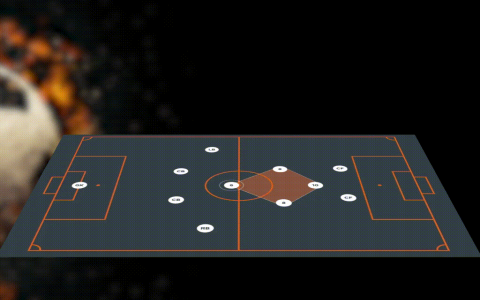
At the most basic level, football has 11 positions per team:
1. Goalkeeper (GK)
2. Right Back (RB)
3. Left Back (LB)
4. Center Back (CB) x 2 positions
5. Defensive Midfielder (CDM)
6. Central Midfielder (CM) x 2 positions
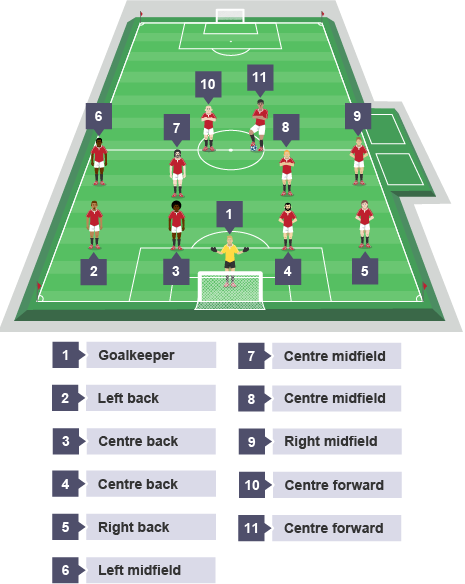
7. Attacking Midfielder (CAM)
8. Winger (Right and Left) x 2 positions
9. Striker (ST)
These roles cover the full spectrum of the football pitch, but each can be further specialized based on tactics and formations.
## 2. Defensive Positions and Their Variations
Defenders are the backbone of any team’s defense. There are generally three types:
– **Center Backs (CB):** Central defenders who guard the area in front of the goal. Sometimes teams use one central defender and one sweeper, or two center backs in a flat defense.
– **Fullbacks (Right Back and Left Back):** Patrol the flanks, blocking crosses and supporting attacks. Modern fullbacks often engage heavily in offense too.
– **Wing-backs:** These are more attacking fullbacks used in formations like 3-5-2, blending winger and defender roles.
Depending on tactics, the number of defenders and their roles can change, influencing how many “positions” effectively exist.
## 3. Midfield Roles: The Engine Room of Football
Midfielders control both defense and attack, so their roles vary widely:
– **Defensive Midfielder (CDM):** Shields the defense by intercepting passes and tackling.
– **Central Midfielder (CM):** Balances defense and offense, often orchestrates play.
– **Attacking Midfielder (CAM):** Focuses on creating scoring opportunities and linking up with forwards.
– **Wide Midfielder:** Similar to wingers but usually more involved in tracking back defensively.
With evolving tactics, coaches may deploy midfielders differently, which increases the number of possible midfield positions.
## 4. Forward Positions: Strikers and Beyond
Attackers’ main job is to score goals, but even within this category, roles differ:
– **Striker (ST):** The main goal scorer, typically playing at the center of attack.
– **Second Striker:** Plays slightly behind the main striker, often creating chances.
– **Winger:** Positioned wide to deliver crosses and take on defenders.
– **False Nine:** A forward who drops deep into midfield to create space and confuse defenders.
Again, formations and playing styles highly impact these roles, meaning the forward positions can split further.
## 5. How Many Total Positions Are There in Football Really?
If you count every unique tactical role, skilled analysts usually identify **between 15 and 20 distinct football positions**. You could argue even more subtle roles exist, especially with new tactical innovations.
### LSI Keywords Related to How Many Positions Are There in Football:
– Football positions list
– Different types of football players
– Football positions explained
– Number of players in football team
– Football player roles and responsibilities
## THE EXPERT TABLE: Comparing Traditional vs Modern Football Positions
| Position Category | Traditional Roles | Modern Variations |
|---|---|---|
| Goalkeeper | Goalkeeper | Sweeper Keeper – Often acting as an extra defender and starting attacks from the back |
| Defenders | Right Back, Left Back, Center Backs | Wing Backs, Sweeper, Ball-Playing Center Backs |
| Midfielders | Defensive Midfielder, Central Midfielder, Attacking Midfielder | Deep-Lying Playmaker, Box-to-Box Midfielder, Wide Midfielder |
| Forwards | Striker, Wingers | False Nine, Second Striker, Inside Forward |
## 6. Step-by-Step Guide to Identifying Football Positions for Beginners
If you’re new and want to understand how to spot and identify each position on the field, here’s a simple guide:
1. **Observe player starting positions:** Most positions have designated spots on the pitch during kick-off or set plays.
2. **Look for player responsibilities:** Are they defending near their goal or attacking the opposition’s?
3. **Watch movement patterns:** Fullbacks patrol wide defensive areas; midfielders cover the center; forwards lead attacks.
4. **Note jersey numbers:** Traditionally, numbers indicate position (e.g., 1 = GK, 9 = Striker).
5. **Listen to commentary or check lineups:** Commentators often mention tactical roles and formations.
## 7. COMMON MISCONCEPTIONS ABOUT FOOTBALL POSITIONS
**WARNING:** Many beginners mistakenly believe positions are rigid. In reality, modern football is fluid, with players often switching roles dynamically during matches. Another common myth is that defenders only defend and attackers only attack — but in many formations, players contribute to both ends.
## 8. Real Data Insight
According to a 2023 FIFA tactical analysis report, top professional teams use between 16 to 20 unique position roles during a season, adapting based on opponents (Source: FIFA Tactical Report 2023). Additionally, a UEFA study found that midfielders in elite football cover an average of 11 km per game, reflecting their hybrid role between defense and attack (Source: UEFA Player Performance Report 2022).
## 9. Why Understanding Positions Matters?
From coaching to fantasy football to watching games, knowing how many positions are there in football helps you appreciate tactics. It deepens the fan experience and improves communication on the field.
## Checklist: How to Master Football Positions Knowledge
– Learn the 11 basic positions first
– Study different formations (e.g., 4-4-2, 3-5-2)
– Understand the roles within each category—defense, midfield, attack
– Watch professional matches focusing on player roles
– Use tactical analysis resources and reports
– Practice identifying positions in local games or simulations
—
Based on my experience and our team’s research, football positions are constantly evolving, but mastering the basics gives an incredible advantage. So next time you ask **how many positions are there in football**, you’ll know the answer is both straightforward and wonderfully complex.