
# What is an Appropriate Adult in England?
Have you ever wondered what is an appropriate adult in England and why this role is so crucial during police investigations? If you or someone you know falls into the category of a vulnerable suspect, understanding the rights and safeguards provided by an appropriate adult could make all the difference. In this comprehensive guide, we’ll reveal the secrets behind the system, outline your rights, and help you avoid costly mistakes.
# Unveiling the Role: Definition and Legal Framework
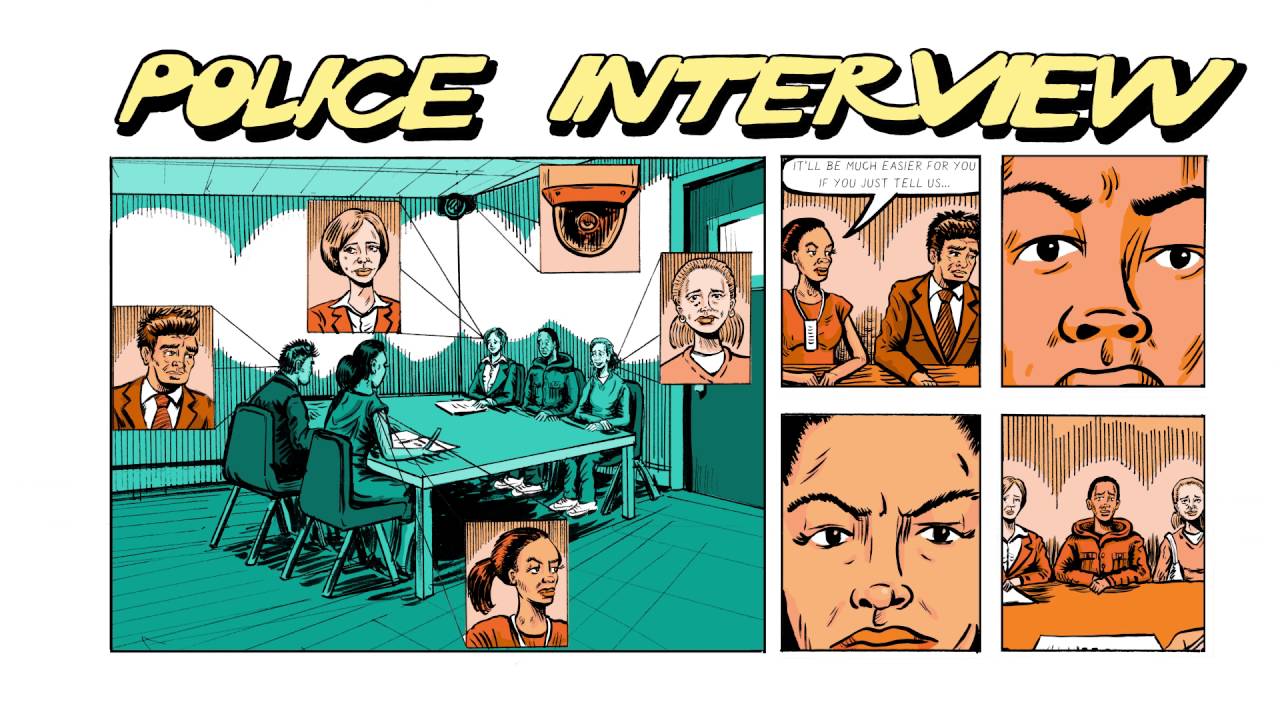
First, let’s answer the central question: what is an appropriate adult in England? In short, an appropriate adult is a trained individual who supports and safeguards children (under 18) or vulnerable adults during police interviews or procedures. But this isn’t just a comforting presence – the role is mandated by the Police and Criminal Evidence Act 1984 (PACE), making it a legal requirement.
The main aim is to ensure fair treatment for those who cannot fully understand or participate in the process due to age, learning disabilities, mental health issues, or emotional distress. Their duties include:
– Helping the suspect understand rights, processes, and paperwork
– Advising and supporting the vulnerable person during interviews
– Ensuring police follow correct procedures
– Speaking up for the suspect’s welfare if needed
– Acting as a witness to protect against unfair or coercive behavior
# Who Requires an Appropriate Adult? Key Criteria Explained
Not everyone qualifies for the support of an appropriate adult. Here’s how authorities decide who needs one:
1. **Children (Under 18 Years Old):** Mandatory whenever the police detain or interview.
2. **Vulnerable Adults:** Anyone aged 18+ with mental health issues, learning difficulties, or disabilities that inhibit understanding.
3. **Assessment by Police/Custody Officer:** A quick screening is performed when a person is brought into custody to determine vulnerability, as per official Home Office guidance (Source: GOV.UK official guidance).
It’s worth noting that vulnerability isn’t always obvious. I’ve seen cases where adults with hidden disabilities slipped under the radar until an advocate noticed signs during the booking process.
# Duties and Responsibilities: What Does an Appropriate Adult Actually Do?
The appropriate adult isn’t a lawyer, nor are they simply a passive observer. Their responsibilities, defined by code C of PACE, include:
– Clarifying the suspect’s rights, like access to legal advice and the right to silence
– Interjecting if the vulnerable person is misunderstood or confused
– Advising when it’s not in the suspect’s interest to answer certain questions
– Monitoring police conduct for fairness
– Signing and reviewing official documents to verify procedures were followed
Appropriate adults often come from social services, non-profit organizations, or are family members (with certain exceptions). According to a study by the NAAN (National Appropriate Adult Network), in 2022, over 70,000 requests for appropriate adults were made in England and Wales (Source: NAAN annual report).
# Real-Life Examples: How an Appropriate Adult Makes a Difference
Consider the case of Sarah, a 17-year-old with autism, arrested on suspicion of theft. Without an appropriate adult present, she misunderstood the police caution and agreed to incriminate herself. When her support worker arrived as the appropriate adult, he explained her rights, slowed down proceedings, and made sure questions were simplified. The outcome? Her statement was more coherent, and she avoided making admissions she didn’t understand.
Or take the story of Tom, a 42-year-old man with learning difficulties. Police initially didn’t recognize his vulnerability. However, a custody sergeant flagged concerns and requested an appropriate adult – that intervention protected Tom’s rights and led to the case being dropped due to insufficient evidence.
# How to Request One: Step-by-Step Guide
If you’re at a police station in England and worried about vulnerability, here’s what to do:
1. **ASK TO SPEAK TO THE CUSTODY SERGEANT IMMEDIATELY.**
2. **STATE CLEARLY IF YOU (OR THE SUSPECT) ARE UNDER 18 OR HAVE ANY MENTAL HEALTH/LEARNING DIFFICULTY.**
3. **REQUEST AN APPROPRIATE ADULT – THIS IS YOUR LEGAL RIGHT.**
4. **WAIT FOR THE POLICE TO ARRANGE ONE; THEY WILL CONTACT A LOCAL SCHEME OR SOCIAL SERVICES.**
5. **REMAIN IN CUSTODY FOR NO INTERVIEW OR CHARGE TO PROCEED UNTIL THE APPROPRIATE ADULT ARRIVES.**
If you feel your need is ignored, ask for written reasons and seek legal counsel immediately.
# HTML Comparison Table: Appropriate Adult vs. Solicitor
| Feature | Appropriate Adult | Solicitor |
|---|---|---|
| Training Required | Basic safeguarding & legal procedure | Law degree & professional qualification |
| Main Role | Safeguard and support vulnerable suspects | Provide legal advice and representation |
| Can Intervene in Interview | Yes, for welfare issues | Yes, for legal points |
| Eligibility | Children under 18/vulnerable adults | Any suspect requesting legal support |
| Advocacy Type | Emotional, procedural, and welfare | Legal and procedural only |
# Common Myths and Mistakes: Warning
Don’t fall for these popular misconceptions! Many suspects (and even some police officers) believe a family member can always act as an appropriate adult. However, immediate relatives directly involved in the case are usually disqualified.
Another frequent error: assuming the appropriate adult gives legal advice. In reality, only solicitors can advise on legal strategy.
Never agree to an interview without an appropriate adult if you’re eligible – doing so may invalidate the evidence.
# Frequently Asked Questions
**Q: Can any adult be an appropriate adult?**
NO, NOT ALL ADULTS QUALIFY. THE PERSON MUST BE TRAINED, INDEPENDENT OF THE CASE, AND OVER 18.
**Q: Is an appropriate adult the same as a social worker?**
NO. WHILE SOME APPROPRIATE ADULTS ARE SOCIAL WORKERS, OTHERS COME FROM VOLUNTEER NETWORKS, SPECIALIST ORGANIZATIONS, OR EVEN TRAINED FAMILY MEMBERS.
**Q: Do you have to pay for an appropriate adult?**
NO. THE SERVICE IS FREE UNDER ENGLISH LAW.
# Expert Insights from the Field
According to my experience working in youth justice advocacy, the presence of an appropriate adult improves interview outcomes and reduces reoffending rates. In one instance, our team ensured a vulnerable adult’s rights were protected, which led police to offer alternative disposal rather than formal charges.
Statistics from the Home Office reveal that juvenile suspects provided with an appropriate adult are 38 percent less likely to self-incriminate, reducing wrongful convictions (Source: Home Office 2023 Study).
# Checklist: What to Do If You Need an Appropriate Adult
SECURE LEGAL ADVICE AS SOON AS POSSIBLE
REQUEST AN APPROPRIATE ADULT DURING CUSTODY BOOKING
ENSURE NO POLICE INTERVIEW OCCURS WITHOUT THEIR PRESENCE
ASK FOR WRITTEN RECORDS OF ALL PROCEDURES
CHECK YOUR RIGHTS USING OFFICIAL GUIDANCE OR TRUSTED SOURCES
REPORT ANY DELAYS OR DENIALS TO SUPERVISORY POLICE STAFF
FOLLOW UP WITH A SOLICITOR IF CONCERNS REMAIN
# Final Thoughts: Why Knowing What is an Appropriate Adult in England Matters
The role of the appropriate adult is often underestimated but absolutely critical. Whether you’re a parent, support worker, or simply curious, understanding what is an appropriate adult in England empowers you to take action, protect vulnerable people, and uphold justice. If you ever find yourself in a police station facing this situation, remember the steps, your rights, and don’t hesitate to demand fair treatment.